The headline construction PMI in July jumped to 44.7, up from 38.4 in June. However, it remained below the 50-point threshold, signalling a further month of contraction across the sector.
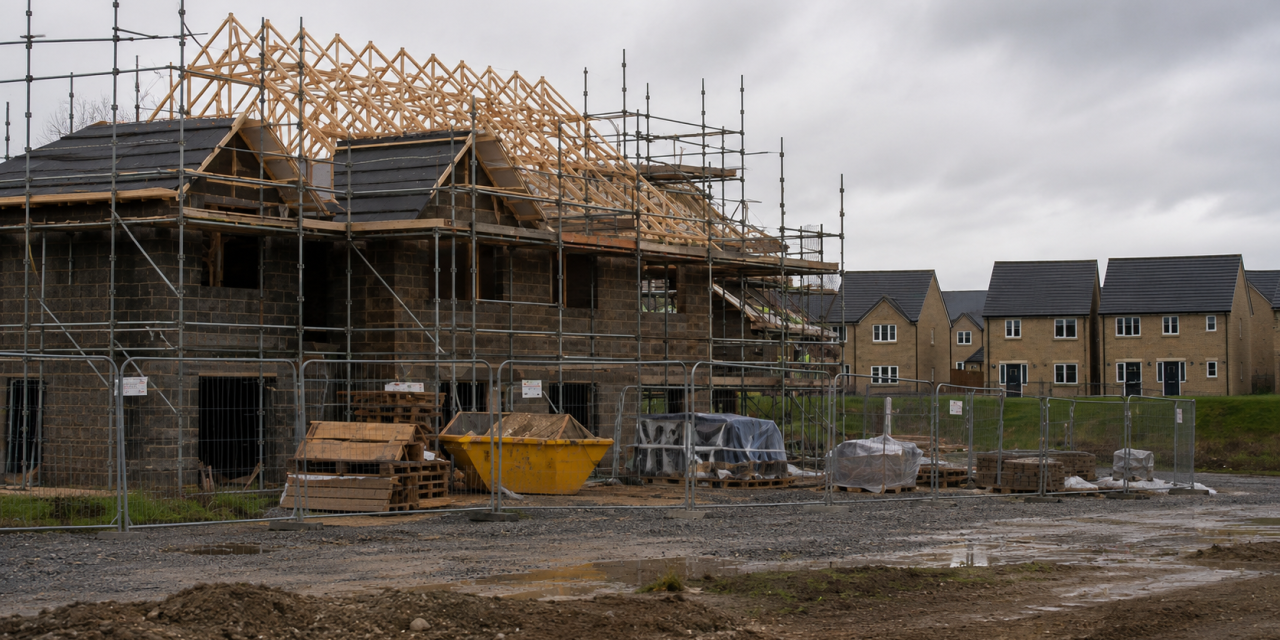
Slower rates of contraction were seen across housebuilding (41.8), commercial work (46.8) and civil engineering activity (38.3), suggesting early signs of stabilisation. However, affordability pressures and subdued buyer demand continued to weigh on residential construction activity.
Carly Thorpe, Construction & Engineering Partner at Walker Morris, comments on the housebuilding data:
“The latest PMI data suggests that there are some signs of stabilisation after a difficult first half of the year. However, the construction sector remains under pressure, with housebuilding continuing to lag behind other areas of the market due to geopolitical uncertainty and economic conditions. This reflects the ongoing challenges facing developers despite strong underlying demand for new homes.
“Affordability remains a key obstacle. Higher borrowing costs and economic uncertainty are preventing many prospective buyers from getting onto the property ladder, leaving some housebuilders with completed homes but a limited pool of purchasers.

“As a result, there is a growing disconnect between housing need and housing delivery. While government efforts remain focused on increasing supply, stimulating demand is equally important. Without measures that improve affordability and buyer confidence, developers are likely to remain cautious about bringing forward new schemes.”
“The sector also continues to face structural barriers. Delays in Building Safety Regulator gateway approvals is slowing project delivery, while persistent skills shortages are placing pressure on capacity, costs and timescales across the industry.
“There are, however, reasons for cautious optimism. Slower rates of contraction and the government’s focus on planning reform, infrastructure investment and greater regional powers should help boost sector optimism and unlock growth. But if the industry is to turn housing demand into housing delivery, it will also need faster approvals, more skilled workers and improved affordability.”