 While the construction industry grapples with attracting and developing talent, innovative product design, apprenticeships, and manufacturer-led training can go a long way towards boosting productivity and quality, says Shaun Hughes, regional manager for the UK at Victaulic…
The UK construction industry faces a critical shortage of skilled labour, with significant implications for project delivery, safety, and quality. According to the Office for National Statistics, more than one in five construction business reported worker shortages last year, while the Construction Skills Network projects the need for an additional 251,000 workers by 2028.
A shrinking and ageing workforce lies at the heart of the issue. The Construction Products Association estimates that around 70,000 UK construction workers leave the sector each year, many of them with specialist skills such as welding. Meanwhile, only about 31,000 apprentices complete their training annually, leaving a persistent shortfall.
The challenge is twofold: to attract and train new entrants to the industry while also finding practical ways to maintain productivity with fewer experienced workers on site.
Designing for efficiency
In building services installation, particularly HVAC systems, labour shortages amplify the importance of design innovation and prefabrication. Pipework, for example, must be installed accurately to ensure long-term system performance, yet the traditional method of welding depends heavily on skilled labour.
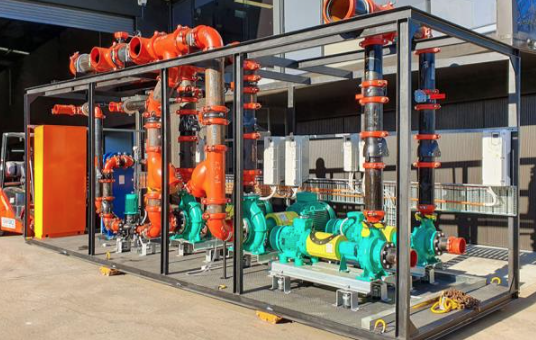
This is where design simplification and modular assembly methods can make a difference. Mechanical joining systems, which used grooved-end pipes and couplings rather than welded joints, enable quicker and safer installation with less specialised equipment. Such approaches can help broaden the available labour pool by allowing installers, who can be trained in almost no time, to work effectively while maintaining high standards of quality and safety.
Beyond productivity, these methods also support sustainability. Prefabricated and mechanical systems reduce hot works on site, cutting energy use and emissions while enhancing health and safety – all increasingly important as the industry moves towards low-carbon retrofits and new-build projects.
Training the next generation
Attracting young people into construction also remains a key priority. Apprenticeship and training partnerships between manufacturers, colleges, and contractors offer a valuable route to closing the skills gap. By combining theoretical instruction with hands-on experience using modern building methods, these programmes help students understand how new technologies are transforming installation practices and the broader sustainability agenda.
Apprenticeships also have a wider cultural value: they show that construction offers long-term, rewarding careers that blend practical skills with innovation and problem-solving – an essential message if the industry is to replenish its workforce.
Setting a benchmark with manufacturer training
There is growing recognition that manufacturers and suppliers have a role to play in industry-wide skills development. Standardised training — ideally certified and tied to specific products or systems — can help ensure that installation teams possess the necessary expertise to deliver safe and efficient projects.
Ultimately, addressing the skills gap will require collective action across the sector. Smarter product design, structured training, and collaboration between manufacturers, educators, and contractors can all contribute to a more resilient and capable workforce. As the industry adapts to labour pressures and the push for net zero, those who invest in both innovation and people will be best placed to build the future.