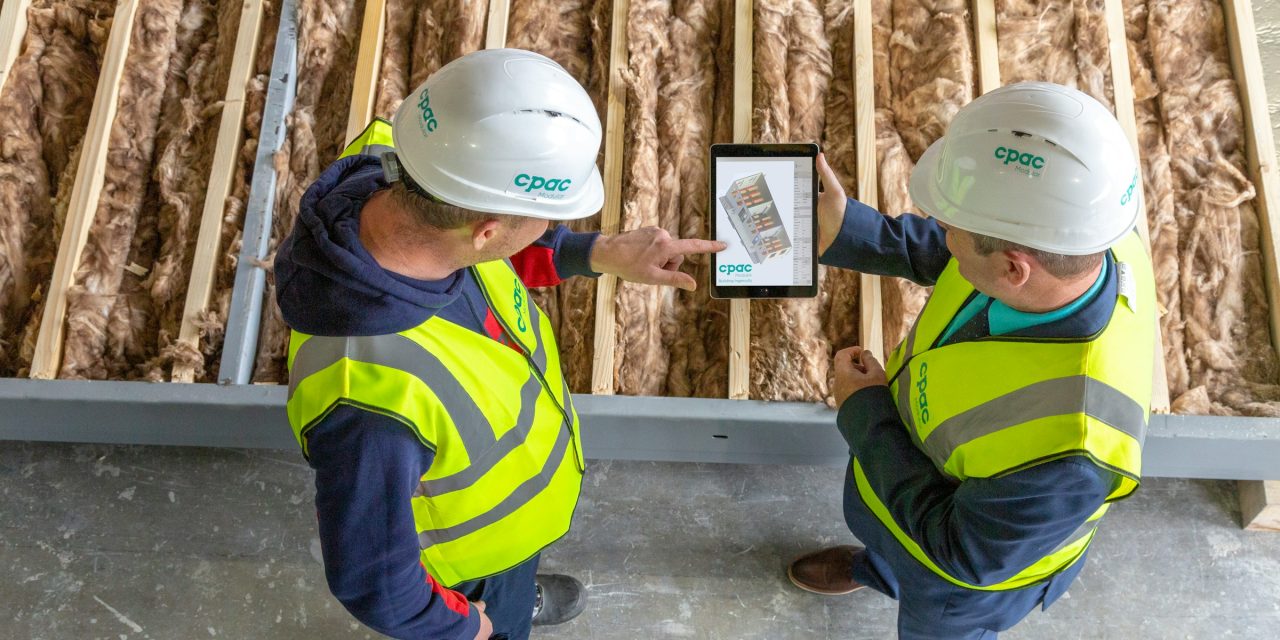
Energy performance is no longer a nice-to-have on job sites. With tighter codes and growing sustainability expectations, small construction decisions now carry real weight for compliance and long-term operating costs. The challenge is that performance rarely depends on a single product or specification. Instead, it comes from dozens of details working together, from early design choices to installation quality and final testing…
The Role of Design and Planning in Energy Performance
Most energy outcomes are set long before anyone breaks ground. Orientation, glazing ratios, envelope assemblies, and mechanical strategy all lock in how a building will perform, so architects and engineers should work together from schematic design instead of handing off drawings. Common oversights include thermal bridges at slab edges and balconies, penetrations nobody coordinated, an air barrier that stops and starts between details, and HVAC equipment sized by habit instead of load calculations. Catching these on paper costs far less than fixing them in the field.
Preconstruction reviews can also help teams identify conflicts between architectural, structural, and mechanical plans before they become physical gaps in the building envelope. Clear drawings showing transitions between walls, roofs, foundations, windows, and doors give installers a more consistent reference once work begins.
Construction Execution: Where Details Matter Most
A good design can still fail in the field. Air barriers need continuity at corners, rim joists, and window openings; flashing has to shed water without trapping it, and every penetration for pipes, wires, and ducts needs to be sealed. Material choice matters, but careful installation helps insulation perform at its best. Well-chosen thermal and acoustic insulation products can provide effective, consistent performance when fitted carefully around framing, wiring, and other potential gaps.
Trade coordination helps, because the plumber or electrician who cuts through a finished air barrier can undo days of careful work. Sequencing is important, too. If crews understand which components form part of the thermal and air-control layers, they are less likely to damage completed work or leave gaps for another trade to address later. Regular site walkthroughs can catch these issues while they are still relatively simple to correct.
Quality Control and Post-Construction Testing
Verification turns assumptions into data, so inspect the air barrier and thermal envelope before drywall closes the cavities, then test at the end. Energy codes commonly require air leakage testing before final occupancy approval, and a blower door test is the standard tool. Pairing it with infrared imaging can pinpoint hidden bypasses behind finished surfaces, and duct leakage testing catches losses in the mechanical system. For new homes, programs such as ENERGY STAR add third-party inspections and testing to confirm requirements are met. Documenting results also protects the builder if performance is questioned later.
Quality control is most effective when it happens throughout construction rather than becoming a final checklist exercise. Photographing concealed envelope details before drywall is installed can create a useful project record, while interim inspections give teams an opportunity to correct workmanship before finishes make access more difficult.
Future Trends and Innovations in Energy-Smart Construction
Standards keep moving. The US Department of Energy determined in December 2024 that the 2024 IECC would cut residential energy costs by about 6.6 percent nationally compared with the 2021 edition. The International Energy Agency’s Breakthrough Agenda report notes that building energy intensity has fallen about 8% since 2015 and that $380 billion went into efficiency, electrification, and renewables in buildings in 2024, though high-performance envelopes often carry higher upfront costs. Professionals can stay ahead by tracking local code adoption, training crews on air sealing and testing, and treating verification as a standard step.
Digital modeling and improved building-performance tools may also make it easier for project teams to identify potential weaknesses before construction starts. However, technology cannot replace workmanship. Even sophisticated designs still rely on crews understanding how individual materials, joints, and penetrations contribute to the performance of the completed envelope.
Why Attention to Detail Pays Off
Standards for energy performance will keep tightening, and the projects that meet them are usually the ones where the small details were planned, built, and tested with care. Prioritise quality at every stage, and the long-term benefits follow.