Across the UK, copper theft is on the rise, with organised and opportunistic criminals targeting construction sites and partially completed buildings for unsecured or exposed piping. At the same time, insurers are grappling with the escalating cost of ‘escape-of-water’ claims caused by faulty or damaged pipes.
For specifiers, these are no longer operational issues to be dealt with after handover. They are vital design considerations, with decisions made at this stage having lasting consequences for safety, compliance, and long-term performance.
James Griffiths, Head of Projects at GF Building Flow Solutions, explores how this is forcing the industry to reconsider whether long-established specification decisions continue to represent the lowest-risk option for modern developments…

The hidden cost of copper theft
Copper theft is often viewed through the lens of replacement costs, yet this significantly understates the scale of the problem facing the construction and property sectors.
Copper’s value on the secondary market continues to increase as the global demand of copper continues to rise significantly. According to the International Copper Association, annual demand for refined copper is expected to reach 50 million tonnes by 2050 – double of what it was in 2020.
As resources become scarcer, scrap resale value is going continue to grow. Industry estimates suggest that metal theft now costs the UK economy approximately £500 million every year – and with pipework relatively accessible, easy to remove and with an immediate resale value it is an easy target for theft.
However, the impact extends far beyond the replacement cost of the stolen material.
When thieves rip out copper pipework, they often leave significant collateral damage in their wake, with ceilings, walls and building services being affected. The subsequent repairs can create programme delays, require extensive recommissioning works and generate additional labour costs, while occupied buildings may also face operational disruption and business interruption.
In many cases, the true cost of a theft can be several times greater than the value of the copper that has been removed.
Water escape: the other risk specifiers cannot ignore
Alongside theft, water escape continues to represent one of the most significant causes of property-related insurance claims across the UK. According to research published by the Financial Conduct Authority, the average cost of ‘escape-of-water’ claims increased by approximately 16 per cent per annum between 2017 and 2020 for multi-occupancy buildings.
For high-value developments such as hotels, luxury apartments and multi-occupancy residential buildings, even relatively minor leaks can result in substantial remediation costs, particularly when water damages internal finishes, furnishings, or electrical systems.

As with theft, the implications extend well beyond the immediate repair works. Delayed occupancy, loss of revenue, increased insurance premiums and reputational impacts can all become part of the wider financial equation, reinforcing the importance of designing systems that actively reduce the likelihood of failure.
As a result, many clients are increasingly looking to project teams to demonstrate how risk has been considered and mitigated through the specification process, rather than relying solely on operational management strategies once the building is occupied.
Why material choice matters more than ever
When considering how to reduce exposure to both theft and water-related risks, material selection represents one of the most effective opportunities available to designers and specifiers. By specifying materials that are unlikely to be targeted, you can reduce the potential for theft-related disruption, damage and associated financial losses before construction has even begun.
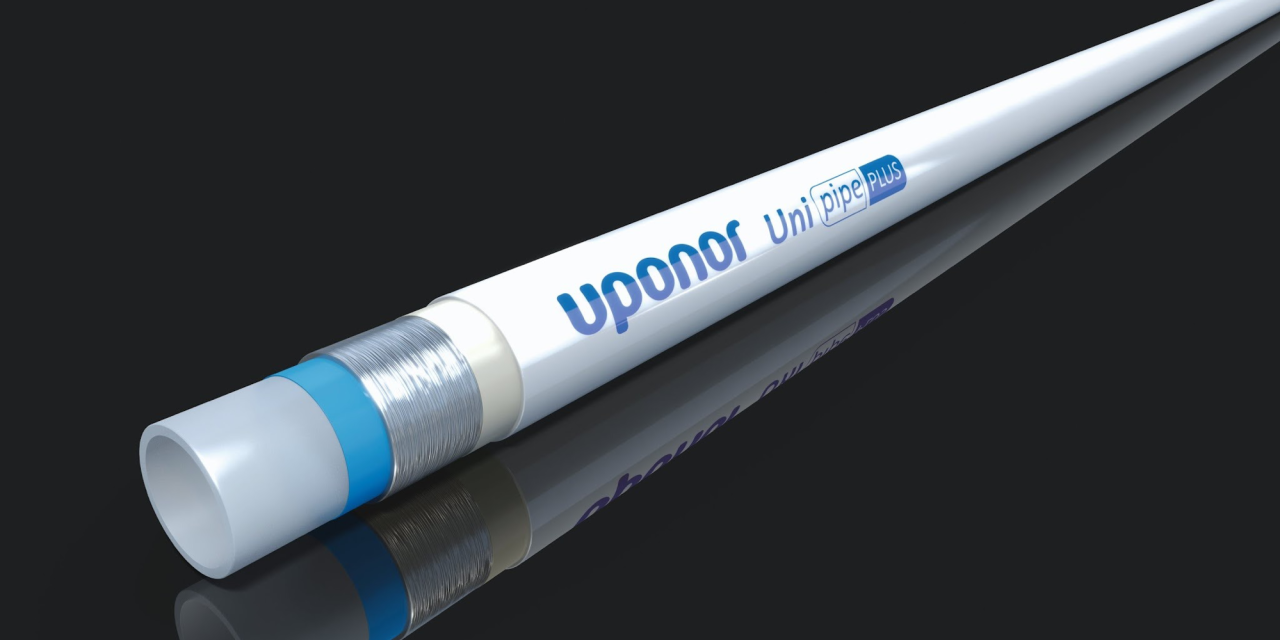
This is one way in which multilayer composite pipe (MLCP) systems offer a compelling alternative to copper.
MLCP has little inherent value within the scrap metal market, making it significantly less attractive to thieves. At the same time, modern MLCP systems have been developed to support reliable installation and long-term performance. Multilayer press-fit connections provide a highly controlled connection that can be reviewed post installation, while the manufacturing consistency associated with multilayer pipe systems supports a more standardised installation process when compared with traditional metallic pipework solutions.
Rethinking specification sustainability
Sustainability comprises a number of important considerations, including embodied carbon, recyclability and material longevity. Aspects such as embodied carbon can usually be measured using Environmental Products Declarations (EPDs); however, many copper tube and copper press fittings do not have the relevant EPD. There is also a growing argument that resilience should form part of the sustainability benchmarking.
A building that experiences theft incidents, significant water damage or frequent insurance claims will inevitably require additional materials, labour and resources throughout its lifecycle. This creates both financial and environmental costs that may not be captured through traditional specification assessments.
From this standpoint, the most sustainable specification may not necessarily be the one with the lowest embodied carbon or the longest theoretical service life. It may be the one that also delivers the greatest resilience, minimises operational disruption and reduces lifecycle risk for owners and occupants alike.
Managing risk through smarter specification
As the industry continues to navigate rising theft levels, rising insurance costs, and growing pressure to deliver resilient buildings, risk management is becoming an important factor in specification decisions.
The conversation is no longer solely about how a system performs. Instead, it is increasingly focused on how effectively a building can withstand the challenges that arise throughout its operational life, whether that involves theft, water damage, disruption or unforeseen maintenance events.
For specifiers, this represents an opportunity to move beyond traditional material assumptions and adopt a more holistic approach to building performance. By embracing resilient pipework solutions such as MLCP, specifiers have an opportunity to reduce theft exposure, minimise disruption and create buildings that are better prepared for the realities of modern ownership and occupation.
In an increasingly risk-conscious market, designing out risk is no longer an optional consideration. It is a fundamental part of good specification practice.