Interior design often prioritises aesthetics over experience but the success of a space is rarely measured by visual impact alone. It’s also defined by how it feels to use and how people physically interact with it. Architectural ironmongery is one element that is central to that experience, quietly shaping how a space performs every day. In this guest article, Tom Planck, MD of award-winning architectural ironmongery firm John Planck Limited, explores why hardware is fundamental to how a space performs…
From soft furnishings and lighting fixtures to flooring and architectural features, visual appeal is usually the main focus of a scheme for interior designers and architects.
Yet it’s often something less visible that actually determines whether a scheme is successful or not and that is physical interaction. The way people use and move around a space. How it operates and feels ergonomically. These are essential considerations that can often make or break a design.
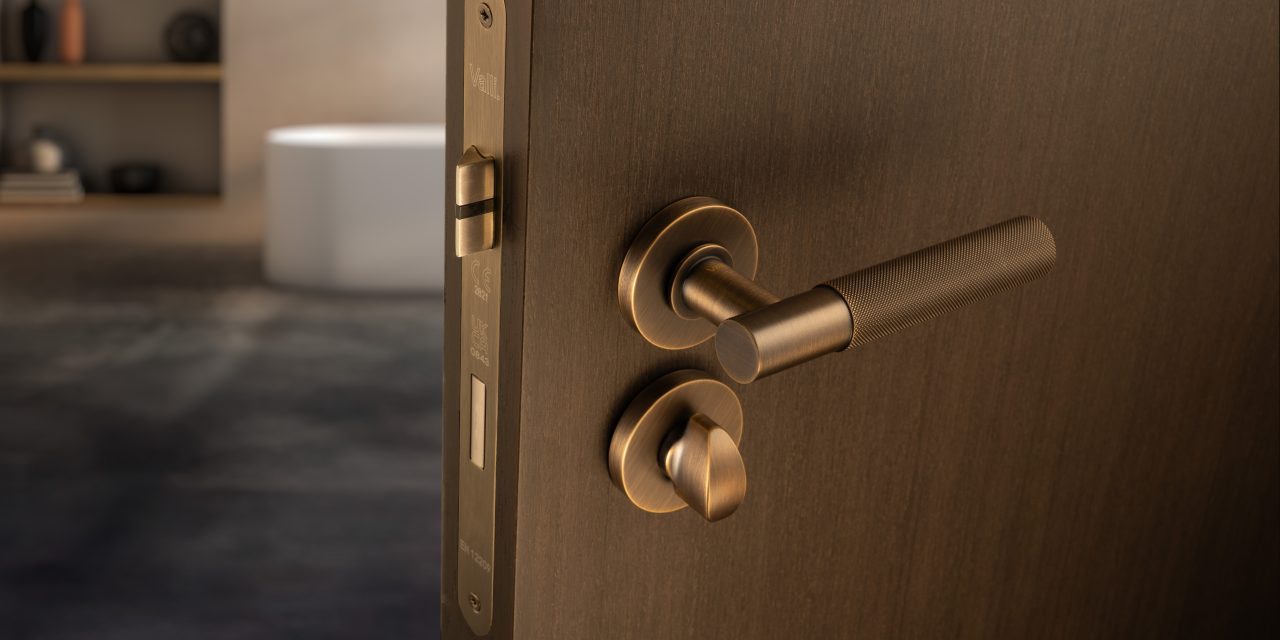
It’s here where the importance of the right architectural ironmongery comes into play, because it’s a small detail that has a big impact on the physical usability of a space. From the weight of a handle and how it feels in the hand, to the smooth action and closing of a door, thanks to the quality of hinge, door closer and latch, these touchpoints quietly determine whether a space truly works and feels good to be in.
While users may notice the shape, finish or style of architectural ironmongery, its function is often taken for granted. When we think about opening a door, the action almost always goes unnoticed, yet it’s the choice of hardware, the material it is made from and the engineering behind it that ensure reliability, durability and ease of use.
In all types of projects, ironmongery specification should be considered as one of the essential elements from the very start of the planning process. This is not just for aesthetic reasons but to ensure compliance with regulatory standards, safety, security and accessibility. Making the right decisions early will help avoid costly changes later.
Ironmongery specification
When approaching ironmongery specification, hardware needs to be placed at the centre of the user experience with performance considered alongside design aesthetics.
Functionality should be the first priority. Hardware should enable windows and doors to be operated easily, allowing smooth movement between spaces. Elements such as ergonomics, usage frequency, ease of use, durability and maintenance requirements all come into play and will impact the final specification. For example, doors in high traffic areas around entrance or exit areas will require heavy-duty, robust solutions while those in low-use areas can be specified with lighter duty products.
Ergonomics should also be a priority. Handles and levers should be comfortable to grip and operate, requiring minimal effort and accommodating users of all abilities.
In addition, specification should be made with safety in mind. Hardware must minimise the risk of injury and ensure safe operation over time. Appropriate hinges, ensuring doors open and close smoothly must be selected and anything with sharp edges or poorly designed components must be avoided. Door controls, restrictors and dampers can also be used to prevent slamming, reducing both noise and the risk of accidents.
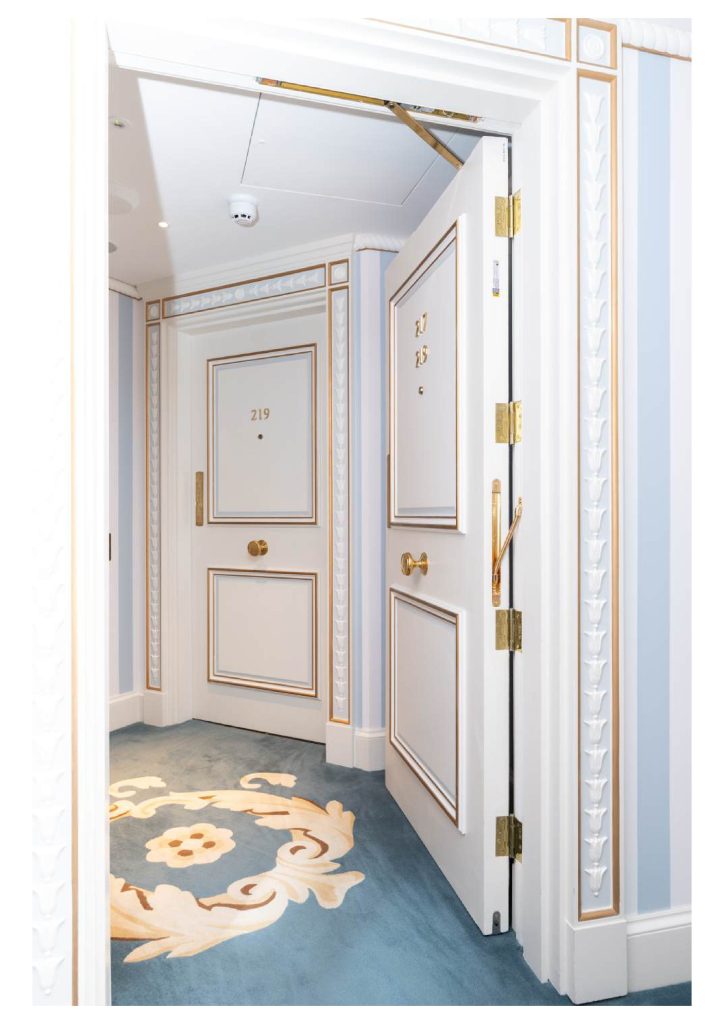
Fire safety is one of the most critical considerations in ironmongery specification. Hardware must both maintain fire compartmentation and allow safe evacuation, ensuring the building meets the requirements of Approved Document B of the Building Regulations.
Specifically, hinges, locks and door closers must all be rigorously tested and certified to perform their duty in the environment they are installed. Intumescent pads will be required to line any mortice products that require it with intumescent seals also needed around the door and frame perimeter to suit the fire rating of the door accordingly. Only tested and certificated panic exit devices must be used on doors in escape areas to help to ensure swift evacuation in the case of an emergency. Hardware that is incorrectly specified or installed can have the opposite effect, impeding fire resistance performance and preventing safe exit.
Security is another important factor in ironmongery specification. Preventing unauthorised access and potential theft or other security issues is a must. The level of security required will vary significantly depending on building type, location and use but robust security locks and access control systems should all be considered.
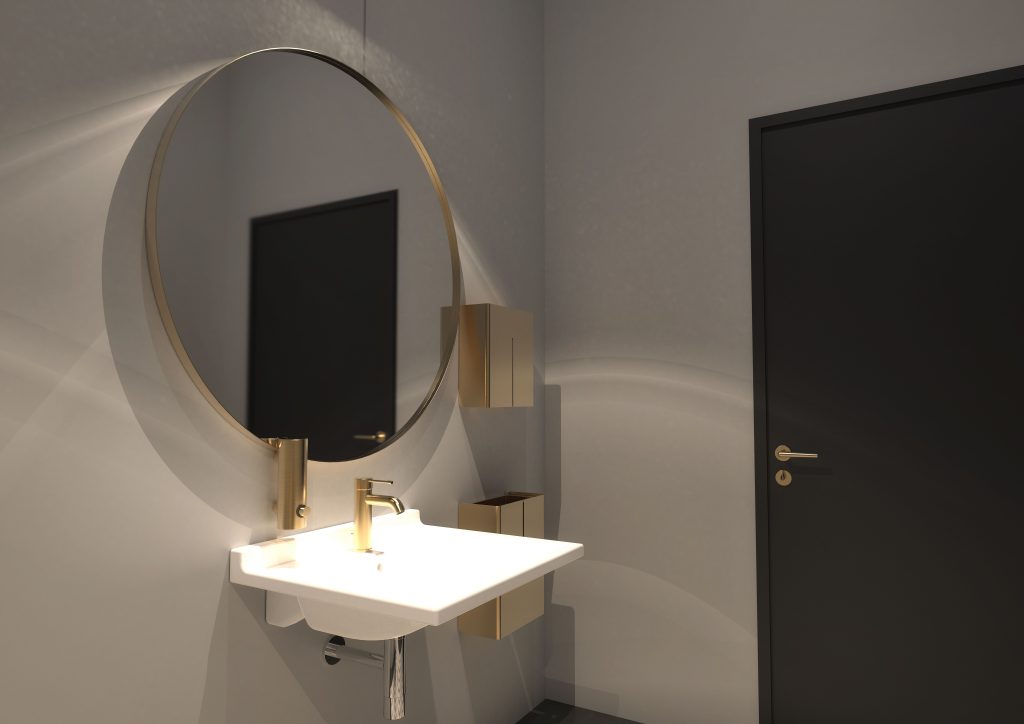
In addition, accessibility must also be at the forefront of modern design. Hardware should enable buildings to be used safely and comfortably by all, in line with the requirements set out in building regulations, BS 8300 and the Equality Act.

In practical terms, what this means is that hardware should be easy to operate and placed at appropriate heights and positions so that spaces are operable to all. Inclusive design is not an add-on – it’s a fundamental part of creating successful spaces.
The integration of architectural ironmongery is what elevates a commercial interior from simply looking impressive to truly performing for its users. By considering hardware choices from the outset, design teams ensure that spaces are not only visually appealing, but also safe, comfortable and built to last.
In an industry where trends are ever-changing, the commitment to quality, functionality and user experience is what sets spaces apart and delivers long-term value.