With some of the oldest housing stock in Europe, many UK properties are struggling to cope as the winter months bring increasingly frequent storms, heavy bursts of rainfall, and temperature swings. Luckily, there are some simple steps property managers can take to ensure properties are in good condition as the wintry weather sets in. Spotting signs early can prevent minor issues from turning into costly repairs, as Nicholas Donnithorne, UK Technical Manager at Peter Cox, explains here…
Spotting the signs of damp internally
One of the most common problems properties face during winter is damp. Penetrating damp occurs when water seeps through walls or external defects, often made worse by driving rain and strong winds.
Prevention is always better than a cure, so take time to inspect any property you manage as we head deeper into winter. Act quickly on warning signs like cracked plaster, peeling wallpaper, and staining or discolouration on walls. The presence of black mould is another clear indicator, as is a persistent musty smell with no obvious source, so it’s worth investigating any suspicious smells. Even when damp appears to come and go, such as dark patches that appear on walls after rain but fade in dry weather, this can indicate penetrating damp or hygroscopic salts drawing moisture from the air. Both suggest a longer-term problem.
If damp is present, don’t ignore it. When we’ve polled householders in the past, an alarming number admitted to trying to deal with damp by simply painting or papering over it – a short-term fix that allows damage to spread unseen. So property managers should be extra vigilant for well-meaning repairs by residents.
Over time, serious damp issues can lead to rotting skirting boards, decaying timbers, and mould growth on leather and other household materials. If in doubt, seek expert advice.
Preventing problems with weatherproofing externally
If you spot potential signs of damp, the next step is to stop water from getting in. Many of the UK’s older homes are vulnerable to moisture because small defects allow water to penetrate over time.
Start with a general check of the property’s exterior. Repair any cracks, leaks, or gaps in walls, roofs, and pipework. Inspect loft spaces for signs of moisture, examine external walls for crumbling or decay, and make sure seals around windows, doors, and appliances remain watertight.
Application of a water repellent cream to the outside masonry is a really good way to stop rain penetration and to keep the wall dry, provided the mortar is in good condition. It is scientifically proven to reduce heat loss in single skin masonry by improving thermal resistance, thereby saving energy.

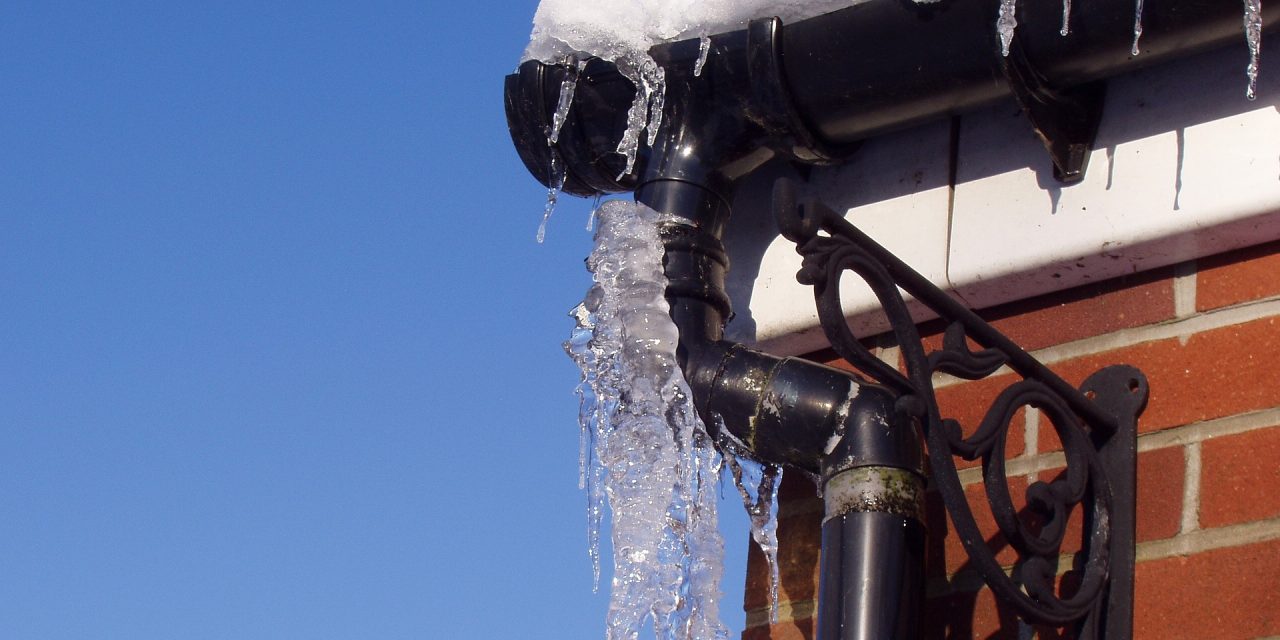
Guttering and drainage systems also deserve attention. Property renters may well not check the guttering regularly, despite its crucial role in protecting against water damage. But leaves and debris can easily build up during autumn, blocking downpipes, and causing water to overflow and pool against walls. Loose or damaged pointing and rendering should also be repaired, as this can allow wind-driven rain to penetrate masonry.
Check that drains surrounding your property are flowing freely. If water cannot get away from the building rapidly, flooding can occur. With more frequent torrential rain events occurring, flooding, due to something as avoidable as leaf buildup in drains, can become a very expensive issue.
Dealing with minor maintenance issues now can save costly repairs later, and help keep homes and buildings warm, dry, and energy-efficient all season long.