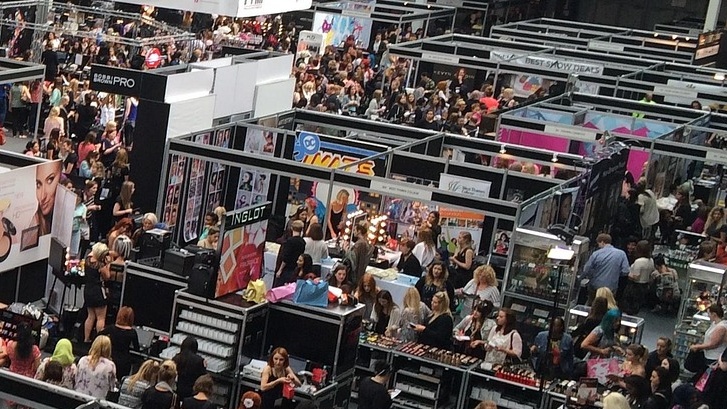
Most small construction firms think trade shows are for the big players. They’ll wander around UK Construction Week Birmingham, grab some brochures, have a coffee with someone they half-know, and drive home with nothing concrete to show for the day.
Here’s the thing though. Exhibiting, even on a small budget, can get an small to medium sized enterprise (SME) in front of genuine buyers faster than six months of cold emails ever will. The real question is where to put your money so it actually counts, and where you’re just burning cash for no return.
Get Your Stand Right Without Overspending
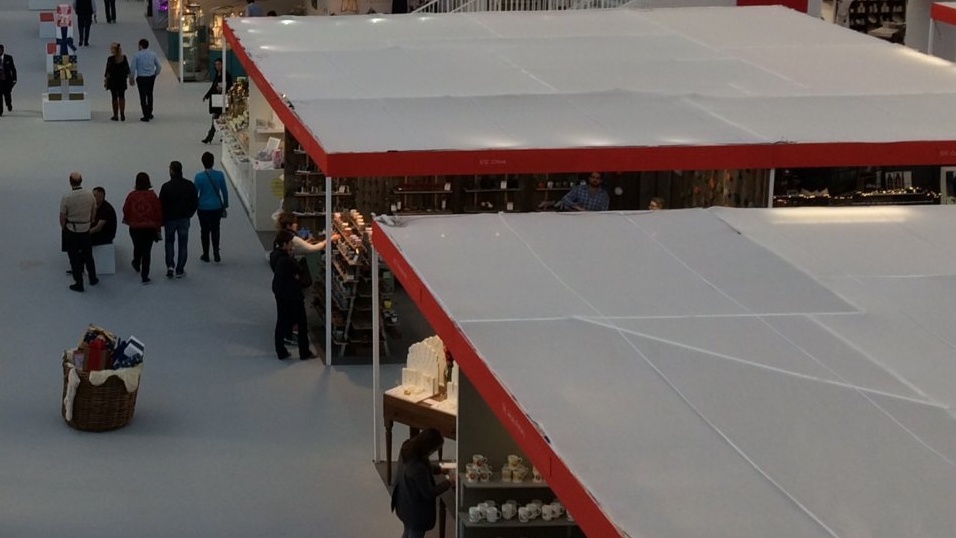
A custom-built stand isn’t necessary to look like you belong there. You need a clean, branded space that tells passers-by what you do in about three seconds flat. A printed backdrop behind a table with samples or a screen looping project photos, plus clear signage showing your company name and services, will pull more people in than some expensive build that swallows your whole budget before the doors even open.
Keep it simple. One strong message on the back wall beats five competing ones every time. If you’re a specialist subcontractor, make that obvious immediately. Manufacture a specific product? Bring it along and let people get their hands on it. Visitors will remember something they picked up and turned over long after they’ve forgotten whatever was written on your banner.
Make Outdoor Pitches Work Harder
Not every exhibitor ends up inside the main hall. Outdoor demonstration areas and overflow zones pop up at most larger events, and they tend to attract the more hands-on building product firms. Space is the big win here. You can run live demos, display full-size kit, and give visitors a proper look at your products without everyone being crammed into a tiny indoor shell scheme.
Weather is the obvious downside, and a soggy stand won’t exactly fill anyone with confidence. For outdoor pitches, Gala Tent heavy-duty gazebos with branded sidewalls can give a firm both shelter and a clearly defined space for demos and conversations. Anchor everything down properly and you’ll have a setup that looks professional whether it’s dry or chucking it down.
Staff the Stand With People Who Can Talk
Sounds obvious, doesn’t it? But it goes wrong all the time. Don’t send your quietest office admin to hold the fort on their own. Whoever stands behind that table needs to be comfortable starting conversations and answering technical questions on the spot, while also knowing which leads are actually worth chasing. Two people is the smallest number for a full day, so one can grab lunch or take a breather without leaving the stand empty.
Brief them before the event. They should know exactly what you’re trying to get out of it, whether that’s meeting a handful of potential clients, getting in front of a specific contractor, introducing a new product, or all of the above.
Follow Up Before They Forget You
Collecting a stack of business cards and then letting them gather dust is the single biggest waste of trade show spend. Follow up within 48 hours. A small, punchy email that references what you actually talked about will do the job. If you promised to send a quote or a spec sheet, get it over to them the next morning.
Preparation is what separates the firms that walk away with real leads from those that just had a long day on their feet. A stand that’s clearly branded, staffed by the right people and followed up quickly can outperform a bigger competitor that simply shows up and wings it – no matter how small your stand may be. That kind of edge is exactly what small construction firms should be chasing.