Underground drainage is a crucial part of modern infrastructure, and requires careful planning and installation to ensure efficient waste transportation and prevent flooding. Before you start planning, however, you need to know what materials you’re working with. But what are the components of an underground drainage system?
This complete guide explores all the components used as well as why it’s so important and how to choose the right underground drainage supplies for your system.
The Importance of Underground Drainage
Without sufficient drainage, water can accumulate around foundations and key infrastructure, causing flooding, loosening the ground and damaging structures. Underground drainage removes this water, channelling it away safely and efficiently.
Drainage should be planned and installed ahead of any construction project, and in accordance with building regulations and environmental standards. This is pivotal for not only legal compliance but also the long-term stability of any structure.
What You Need For An Underground Drainage System
The components of underground drainage systems include a range of products and materials, all designed to serve specific functions.
Drainage Pipes
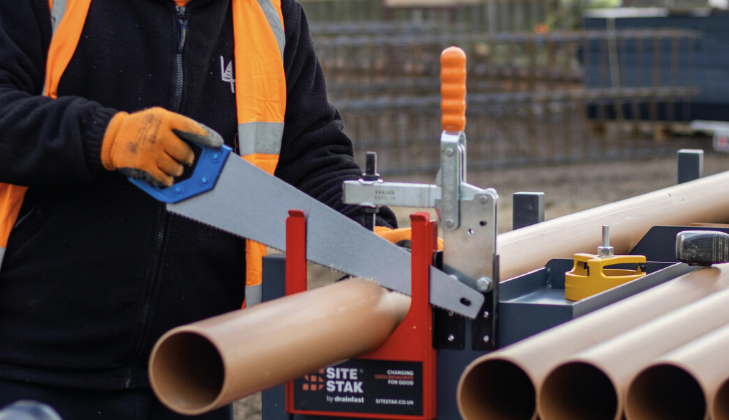
Pipes are the basis of any underground drainage system. They channel water away from buildings and infrastructure, and connect key drainage points like gullies, outlets and manholes.
They stop water from pooling and prevent flooding in the process, limiting damage to structures and properties. The quality and design of pipes and pipe networks are critical to ensuring effective drainage and minimising future maintenance requirements.
Connectors and Adaptors
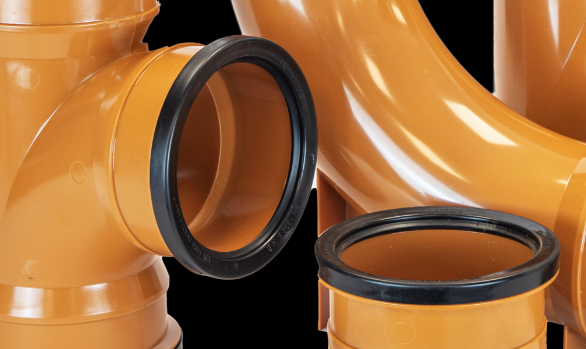
Connectors and adaptors are designed to secure different sections of pipe together and create a bridge between varying sizes of pipework. They come in a range of materials and types to allow for the creation of adaptable drainage networks.
Both connectors and adaptors are responsible for creating and maintaining watertight seals between pipes and ensuring accurate alignment.
Inspection Chamber
Inspection chambers provide access to underground drainage systems, facilitating monitoring, maintenance and cleaning. They are installed at key points, such as at set intervals, changes in elevation or junctions.
They are designed to allow for the upkeep and unblocking of drainage systems without the need to excavate. Using inspection chambers helps prevent flooding and keep drainage operational for longer.
Manhole Covers
Manhole covers are used to seal and protect inspection chambers and manholes in underground drainage networks. They must be highly durable and robust to resist high loads and impacts.
Manhole covers are a critical safety feature, preventing harm or damage to pedestrians and vehicles. They also shield manholes and inspection chambers from debris, stopping them from clogging.
Gully Grate
Gully grates are installed over surface water drainage gullies, and help keep them free from debris and blockages. In a similar way to manhole covers, gully grates also play a safety role, stopping pedestrians or vehicles from dipping into the gully.
By keeping debris out of drainage gullies, grates prevent blockages both in the gully itself and further down the system. They are a small but critical part of drainage infrastructure.
Considerations When Choosing Drainage Products
When it comes to choosing the right drainage products for your system, there are a few factors to consider:
- Load and traffic requirements – different locations experience different traffic, and you should select drainage products that are rated for the specific environment, for example, main roads will have different load requirements to footpaths
- Material quality and durability – pay attention to the materials that drainage products are made from, as this will impact their longevity, and select durable materials
- System compatibility – make sure to choose components that are compatible with the rest of your system and with any existing drainage
- Installation requirements – some products are easier to install than others, and you should factor this into your decision, as it will affect the timeline of your project
- Regulatory compliance – you need to be sure the products you install are compliant with British Standards and building regulations
- Maintenance and accessibility – prioritise drainage products that allow for easy inspection and maintenance, as this will extend the lifespan of your system
- Environmental conditions – consider the soil type, water table and other elements such as extreme weather
Components of underground drainage come in a wide range of types and specifications, performing a selection of specialised roles. Choosing the right ones involves carefully evaluating the layout, requirements and installation conditions of your drainage system.