This article features reaction to the Climate Change Committee’s ‘A Well-Adapted UK’ Report from Chris Newman, Net Zero Design Manager at Mitsubishi Electric…
He outlines why, as the UK gets warmer, we need to think about adapting heating and cooling in tandem – and the importance of passive measures, air conditioning, and legal standards for maximum indoor temperatures in places like schools and workplaces, is crucial to making this a reality…
“The Climate Change Committee is right to recognise that cooling has now become an essential part of how the UK adapts to deal with the effects of climate change. As the country gets warmer, we need to think carefully about how we manage both heating and cooling in UK buildings, not just heating alone.

“Passive measures like shading and ventilation should always be where we look first to keep buildings cool. But during periods of extreme heat – which are becoming more frequent – additional cooling will be vital, especially for the more vulnerable.
“As the Climate Change Committee’s report reiterates, air conditioning will become a reality for homes and businesses, and technologies such as air-to-air heat pumps already have this capability to support this transition — something recently recognised through the expansion of the Boiler Upgrade Scheme.
“Yet significant barriers to nationwide adoption remain, particularly for hospitals, schools and care homes, where electricity prices linked to gas continue to make these technologies more expensive to run and install than they otherwise would be.
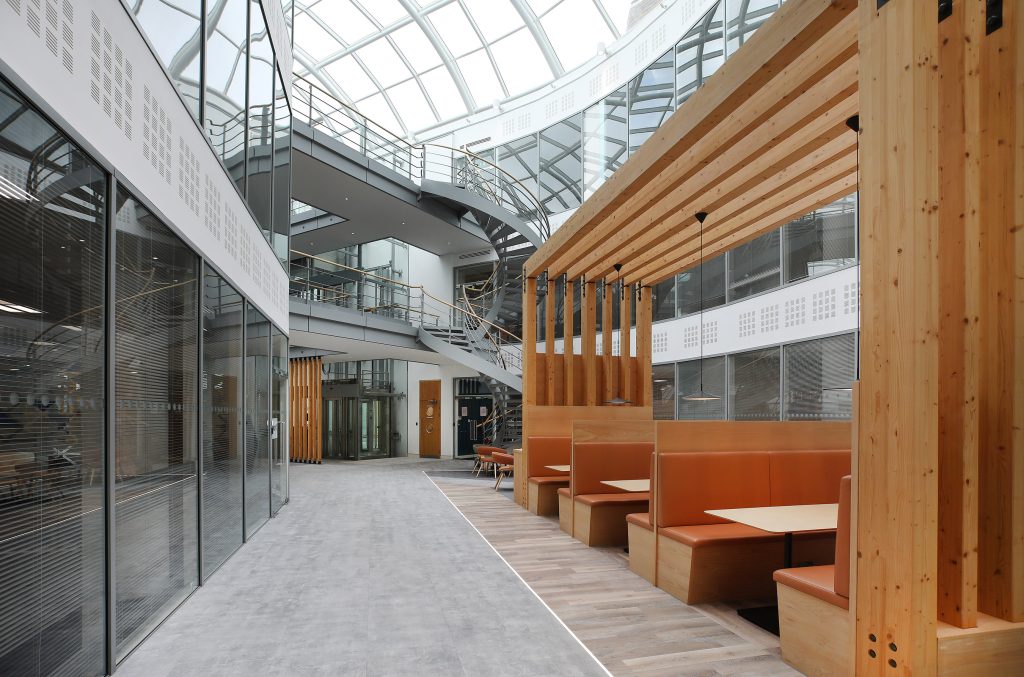
“While Part O of the Building Regulations sets a limit on how long indoor spaces can remain above certain temperatures, there is currently no regulation or legislation that sets a maximum safe indoor temperature for occupied buildings. This means that as overheating becomes a growing public health issue, we also need to see clearer standards set for maximum indoor temperatures in care homes, workplaces and public buildings.”