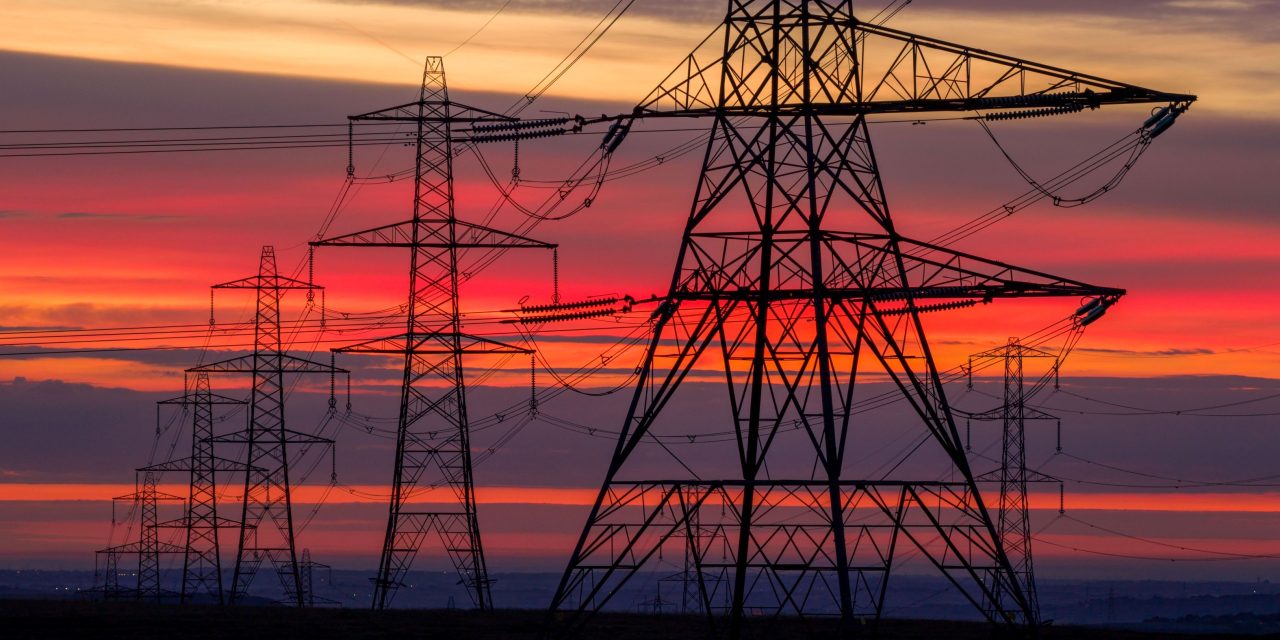
Sustained attacks on Ukraine’s energy infrastructure have left millions of people facing disruption to electricity, heating and water. Alongside the urgent work to repair damaged infrastructure, Ukraine and its international partners are looking at how a more decentralised energy system could provide greater resilience in the face of Russian attacks. Here, Carl Everitt, Operations and Supply Chain Director at AirPlus Renewables, considers the role that smaller-scale renewable generation could play as part of that much wider effort.
For most of us, a power cut is an inconvenience. In Ukraine, reliable access to electricity has become part of a much more serious humanitarian challenge. Since Russia’s full-scale invasion, power stations, substations and other energy infrastructure have been repeatedly targeted, disrupting not only electricity supplies but also heating, water, healthcare and other essential services.
The International Energy Agency (IEA) reported that, following intensified attacks in 2024, nearly two-thirds of Ukraine’s dispatchable power generation capacity had been occupied, damaged or destroyed. More recently, attacks have continued to leave communities without power. For example, in June 2026, damage to energy infrastructure in Kyiv left around 140,000 residents without electricity.
With that in mind, talking about the future of Ukraine’s energy system needs some perspective. The immediate priority is, and must remain, keeping people safe and restoring essential services. Ukrainian engineers and energy workers have undertaken an extraordinary effort to repair infrastructure, often repeatedly and under extremely difficult conditions.
As that work continues, however, Ukraine’s Government and international partners are also considering how the country’s energy system can be made more resilient in the longer term. Increasing the amount of electricity generated closer to where it is needed is an important part of that discussion.
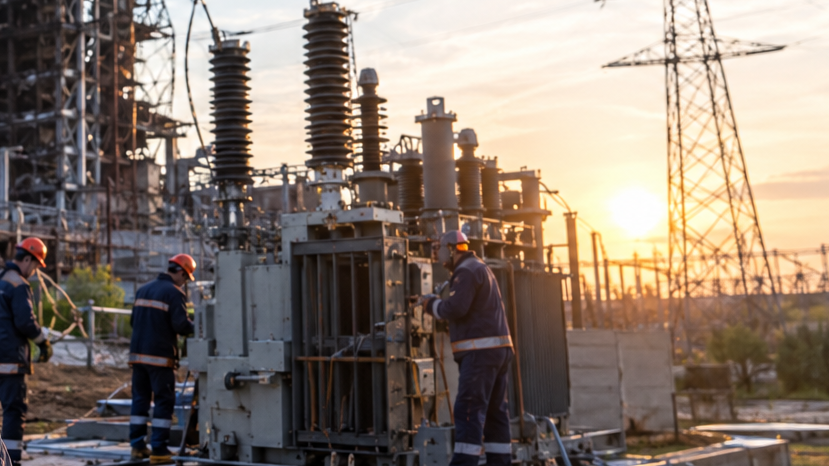
Reducing points of vulnerability
Ukraine’s experience has demonstrated the vulnerability created when communities depend heavily on a relatively small number of large generation and transmission assets. Damage to one part of that system can interrupt essential services many miles away.
The IEA has therefore identified distributed energy resources, including solar PV, wind and battery storage, as an important element of Ukraine’s recovery. Generating electricity across a larger number of locations can make the system more resilient while also providing power closer to centres of demand.
That doesn’t mean replacing Ukraine’s national grid or large power stations. Both will remain fundamental to the country’s future. Instead, decentralised generation can provide another layer of energy security, particularly for hospitals, municipal facilities, businesses and communities that need dependable access to electricity.
Ukraine is already moving in this direction. The IEA has highlighted the deployment of rooftop solar and storage at administrative buildings, hospitals, schools, homes and businesses as part of the country’s efforts to increase resilience.
Moving beyond emergency generation
The widespread use of diesel and petrol generators has also been an essential response to blackouts. Where electricity is unavailable and essential equipment needs to keep operating, these systems have provided an immediate and practical source of backup power.
However, they aren’t necessarily an ideal long-term solution. Fuel needs to be continually supplied, and generators bring running costs, noise and emissions. As damaged infrastructure is repaired and new capacity is introduced, renewable technologies could gradually reduce the amount of fuel-based temporary generation required.
Solar is already playing a part, but a resilient local energy system is likely to benefit from a mixture of technologies. Wind has a different generation profile from solar and can produce electricity outside daylight hours, making the two potentially complementary when combined with storage and other sources of power.
The IEA reaches a similar conclusion in its roadmap for Ukraine. Rather than recommending dependence on one form of distributed generation, it calls for a diverse mix of resources and estimates that meeting Ukraine’s 2030 energy goals could involve approximately 24 GW of solar and 11 GW of wind, supported by around 6 GW of energy storage.
A role for small-scale wind
Most wind generation is associated with large turbines and wind farms, but smaller systems could have a different role in a decentralised network. Distributing generation across a larger number of smaller installations also reduces reliance on a handful of major assets. In Ukraine’s case, that has an obvious resilience benefit: dispersed sources of power are inherently more difficult to disable through targeted attacks than generation concentrated at a smaller number of locations. If one installation is damaged, others can continue producing electricity.
At AirPlus Renewables, we have been considering where our XEVA® technology might make a useful contribution. XEVA® uses EDGEWIND™ Tech, which is designed to capture turbulent as well as non-turbulent airflow around buildings and infrastructure.
This is not a technology that can address the scale of Ukraine’s energy challenge on its own, nor would we suggest that it could. What interests us is whether smaller-scale wind can sit alongside solar, storage, repaired grid infrastructure and larger renewable projects as one element of a more distributed system.
AirPlus has been speaking with organisations in Ukraine about potential applications and plans to send an initial XEVA® unit to Kyiv. The important next step is to listen to those working on the ground and understand where the technology can provide the most value.
Supporting a Ukrainian-led recovery
There is a danger when discussing reconstruction of focusing so heavily on what could be built next that we lose sight of why rebuilding is necessary in the first place. Ukraine did not choose to have its energy system destroyed. Its energy workers have been forced to keep an essential national system operating despite sustained attacks, and many communities continue to live with the consequences.
For companies such as AirPlus, the role in that process should be a supporting one. We can bring technologies and engineering expertise to the table, but the priorities have to be determined by Ukraine and the organisations undertaking the reconstruction.
After more than four years of full-scale war, energy resilience is about helping people maintain access to the electricity, heat and essential services on which everyday life depends. It’s also about ensuring that in future, energy infrastructure is not such an easy military target for a military actor intent on its destruction.