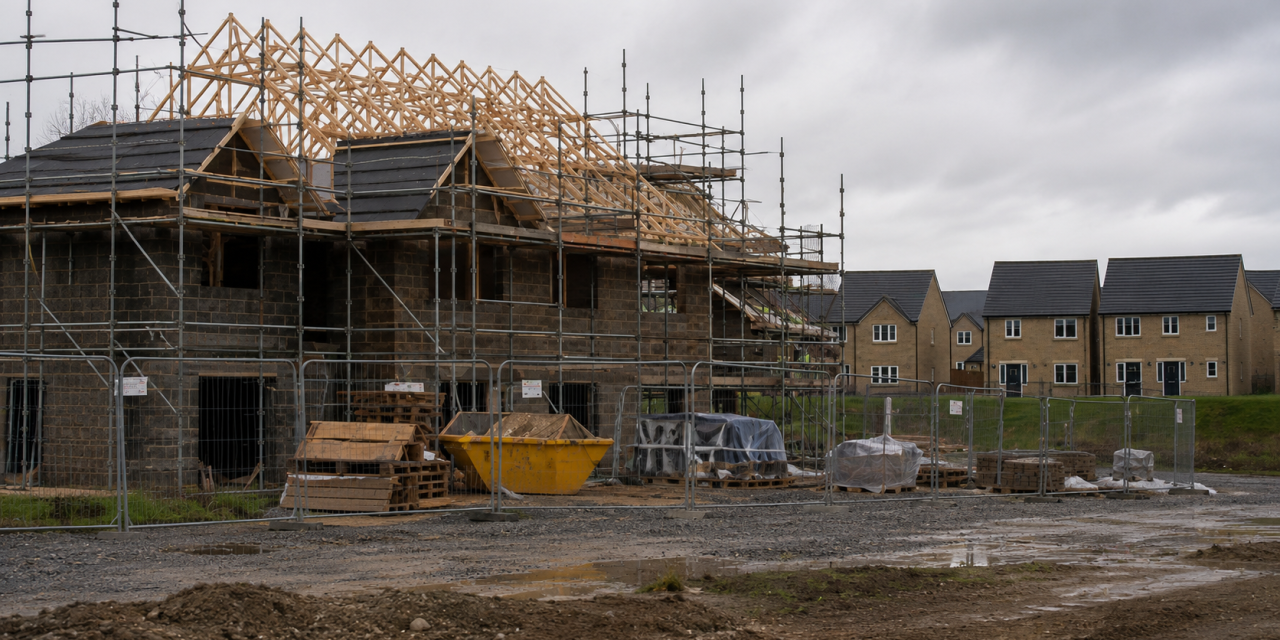
Building work can create problems when the land being developed also provides access to other properties. A skip blocks a shared lane, temporary fencing closes a footpath, or a developer installs a gate across a route that neighbours have used for years. Even temporary restrictions can cause disagreements when nobody is sure who has the right to use the route.
In England and Wales, development does not automatically remove existing rights of way. If you own, develop or work on land affected by shared access, you need to establish who has access, what the right permits and whether proposed changes are lawful. Checking these matters early can prevent disagreements from delaying construction or leaving neighbours unable to reach their properties.
What Rights of Way Need to Be Checked Before Development?
A right of way allows someone to pass over land belonging to another person. Before work begins, establish whether the route carries public rights, private rights or both, since different legal procedures apply.
Public rights of way include footpaths, bridleways and certain byways. In most areas, the relevant council maintains a definitive map and statement recording recognised public routes. This is a legal record of public access rights, although a route may still carry public rights even if it has not been recorded.
Private rights of way usually benefit particular properties. A shared driveway serving neighbouring houses or an access lane leading to commercial premises may be protected by an easement, which is a legal right over another person’s land.
These rights are often recorded in property deeds or HM Land Registry title documents. Some arise through long-standing use without a formal agreement. The absence of an entry on the title register does not necessarily mean the right is unenforceable.
If you are planning construction work, examine the relevant documents before deciding where to position site fencing, storage areas or new access points. The route shown on a plan may also need to be checked against the wording of the legal right and the physical layout of the land.

How Building Work Can Interfere With Existing Access Rights
Disagreements frequently begin when construction arrangements affect a route that remains in use. Common causes include temporary barriers, altered entrances and construction vehicles occupying access shared with neighbouring properties.
Other problems arise when work changes the condition or permitted use of a route.
- Physical obstructions can prevent residents, deliveries or emergency vehicles from using an access lane.
- Altered surfaces may leave an established route difficult to use after excavation, drainage work or changes in ground levels.
- New gates or fencing may restrict a route without agreement from those entitled to use it.
- Construction traffic may raise questions about whether the existing right permits heavier vehicles or more intensive use.
These situations can develop into property disputes when building work continues despite objections from affected owners.
For public rights of way, section 130 of the Highways Act 1980 places duties on highway authorities to protect public access. Planning permission does not itself authorise a developer to close or divert an existing route.
Where a public footpath, bridleway or restricted byway needs to change to accommodate development, an order under the relevant legislation may be required. Section 257 of the Town and Country Planning Act 1990 provides one procedure for certain development-related closures and diversions. Temporary restrictions may also require separate legal authorisation.
Private rights require separate consideration. Planning permission does not extinguish an easement, and you cannot assume that moving an access route is acceptable because an alternative appears convenient. The terms of the right, the proposed interference and any agreement with the benefiting owners all need examining.
How to Resolve an Access Dispute During Construction
Start by establishing what right exists and how the work affects its use. Obtain the available title register, title plan and relevant deeds, then compare them with the route on the ground. Photographs showing blocked entrances, fencing or changes to the surface can help establish what has happened.
Title documents are not always conclusive, particularly where a route has been used for many years without a written agreement. If the evidence is unclear or construction threatens an established route, it may be sensible to get help with a property dispute before agreeing to changes that could affect future access.
Ian McEwan at Property Disputes is a property disputes solicitor at RWK Goodman who advises individuals and businesses on land and access disagreements. Legal advice can help establish the nature of the right, whether interference has occurred and which options are available.
Where the position is reasonably clear, raise the concern with the developer or landowner in writing. Identify the affected route, describe the obstruction and ask how access will be maintained. If you are developing the land and receive an objection, check the relevant documents before assuming that your construction arrangements take precedence.
For a public route, contact the relevant council’s rights of way team. The authority can check its records and establish whether an order permitting a closure or diversion is in place.
Private access disagreements may be resolved through negotiation. If both sides agree to alter a route permanently, a properly drafted deed may be needed to record the revised arrangements. Mediation is another option where communication has become difficult but the parties remain willing to negotiate.
Any agreement should address practical matters, particularly the route, permitted users, vehicle access and future maintenance responsibilities.
When Does an Access Dispute Need Legal Intervention?
Some disagreements can be settled once the title documents have been examined and the parties understand their respective rights. Others require legal advice before building work proceeds further.
Professional advice is worth considering where a developer disputes the existence of an easement, an obstruction prevents the normal use of a property, or discussions have failed to produce an agreement.
The available legal remedies depend on the circumstances. You may need to ask a court for a declaration establishing the parties’ rights or an injunction requiring unlawful interference to stop. An injunction is a court order directing someone to do, or refrain from doing, something. Whether one is appropriate depends on the evidence and the legal tests involved.
Where construction is continuing and access is at immediate risk, obtaining advice promptly matters. Waiting until permanent structures have been installed may make the disagreement harder and more expensive to resolve.
Legal proceedings are not inevitable. The documents, the extent of interference and the willingness of both sides to negotiate will influence the appropriate next step.
Check Access Rights Before Work Continues
If you are developing land, check existing access rights before placing barriers or changing a route. If construction is restricting your access, gather the relevant plans, records and photographs, then raise the problem while the proposed arrangements can still be discussed.
Planning permission does not settle a disagreement over a public or private right of way. If the documents leave doubt about who may use the route or how, legal advice can help establish the available options before further construction makes the problem harder to resolve.