
Rinnai’s Pete Seddon reviews the benefits of purchasing a low carbon hybrid heating and hot water system and provides a detailed exposition of the separate energies that can power a hybrid system…
To learn more about Hybrid DHW and heating systems, contact Rinnai’s expert design team.
One of the emerging options within the UK heating and hot water market is the hybrid system. In this context, ‘hybrid’ typically means two heat sources operating under a single control strategy (for example, an air source heat pump combined with a gas/LPG boiler or water heater), which can be configured to share load across space heating and/or domestic hot water (DHW).
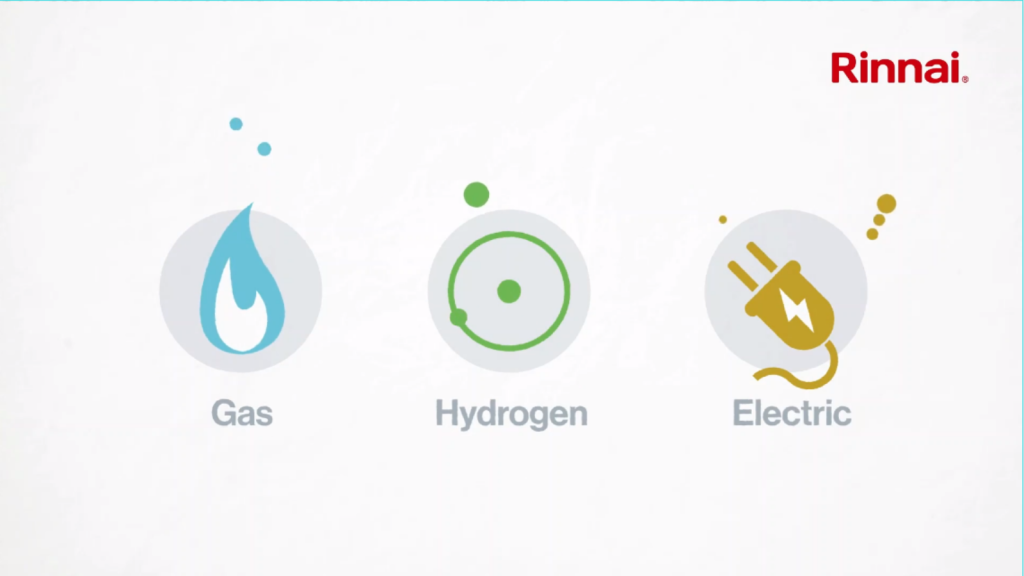
Hybrid heating and hot water systems may draw on electricity (including on-site generation such as solar PV), solar thermal, heat pumps, and combustion fuels such as natural gas, LPG or oil. Some systems may also be compatible with lower-carbon fuels (for example BioLPG) and, where available and certified, hydrogen-blended gas supplies. Rather than relying on one heat source, most hybrid options use two heat generators to meet daily demand in commercial applications.
Hybrid systems typically combine a traditional combustion appliance (e.g., natural gas, oil or LPG) with a lower-carbon technology such as a heat pump or solar thermal. Properly designed controls can optimise operation based on outside temperature, flow temperature requirements, energy prices/tariffs, and space-heating and DHW demand, while still meeting comfort and hot water performance requirements.
For DHW systems such as continuous flow water heaters used alongside heat pumps, the heat pump can be sized to cover a significant proportion of the annual base load, with the combustion appliance providing “top-up” heat for peak demand, high setpoints, or resilience. This approach can help maintain consistent DHW delivery, provided it is correctly sized and commissioned for the application.
This type of system was installed at the Mere Leisure Complex in Cheshire, with reported reductions in carbon emissions and capital expenditure while maintaining high levels of DHW for bedrooms and catering facilities (find out more below).
One advantage can be financial: where electricity unit rates are higher than natural gas, a hybrid system can be operated to target lower running costs versus an all-electric solution, depending on heat pump seasonal performance (COP/SPF), required flow temperatures, tariffs, and site demand profile. From a capital expenditure perspective, some hybrid configurations may also reduce up-front costs compared with a full electrification approach, particularly where existing plant or distribution temperatures would otherwise require substantial upgrades. Outcomes will vary by site and design.
In terms of operational performance, a hybrid heating and hot water system combines two heat sources under a control strategy intended to maintain efficiency and reliability. In practice, the control system should select the heat source based on a defined ‘balance point’ (for example, minimising cost, carbon, or both) using inputs such as outside temperature, tariff/price signals, and delivered heat efficiency at the required flow temperature. Where DHW demand is high or rapid recovery is required, a combustion-based water heating technology can boost the renewable/low-carbon base load to help ensure consistent DHW performance.
A further potential benefit for the end-user is improved asset utilisation. If the system is correctly sized, commissioned and controlled (including avoiding excessive cycling), the workload can be shared between technologies, which may reduce stress on individual components and support long-term reliability. Actual service life will still depend on operating conditions, maintenance, and product selection.
Hybrid systems can offer a practical route towards Net Zero objectives, particularly where full electrification is constrained by budget, space, electrical capacity, or emitter temperatures. Carbon reductions depend on how the system is designed and operated (including the proportion of annual heat delivered by the heat pump and the carbon intensity of the electricity supply), but a well-controlled hybrid can reduce emissions while maintaining service continuity and giving operators flexibility to manage running costs.
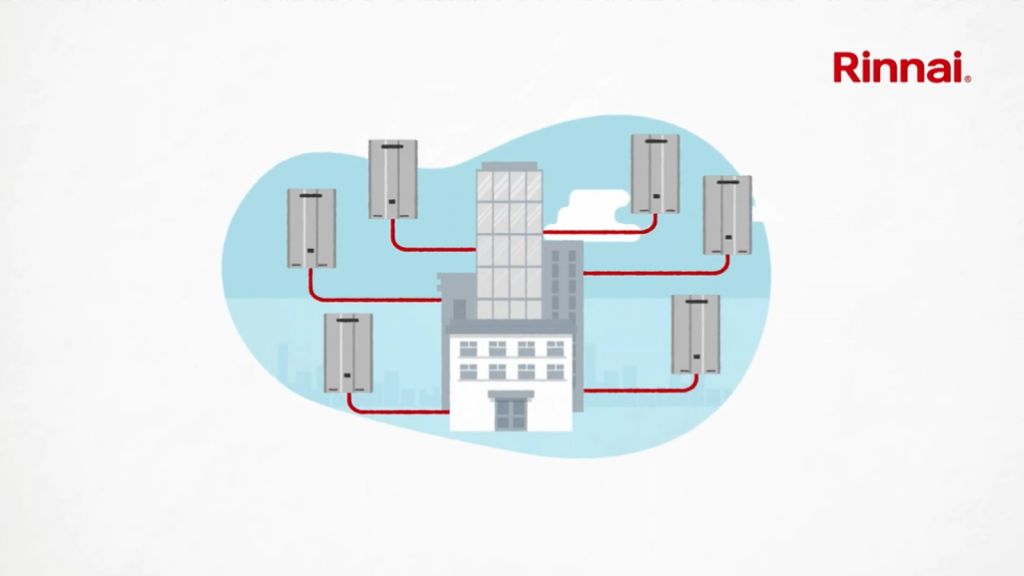
A hybrid system is comprised of a number of features, components, technologies, and fuels. The main elements of a hybrid heating and hot water system is listed below.
- Heat Pump: The renewable backbone of the system. Most hybrid systems use air source heat pumps (ASHPs) due to their ease of installation and affordability. Ground source heat pumps (GSHPs) are also viable for specific applications, particularly in commercial settings.
- Condensing Gas / Hydrogen-blend compatible boiler / water heater: A high efficiency water heater serves as the auxiliary or backup heat source. Modern condensing water heaters are designed to extract as much heat as possible from combustion gases, increasing energy efficiency. Where applicable and certified, some appliances are compatible with hydrogen blends (for example up to 20% hydrogen by volume), subject to local gas-network availability and manufacturer specifications.
- Control Unit / Smart Thermostat: The ‘brain’ of the hybrid system, responsible for deciding which heat source to use based on real time conditions. Many units are integrated with weather compensation and predictive algorithms.
- Buffer Tank / Hot Water Cylinder: Optional but recommended for systems that provide domestic hot water (DHW). The buffer tank helps to smooth out demand fluctuations and improve efficiency. Other cylinders can include buffers for minimum water content and for additional hot water demand.
- Sensors and Meters: These measure temperature, flow rates, and energy consumption, feeding data back to the control system to enable automated switching.
Smart solar, smart heat pump and smart condensing gas (including hydrogen-blend compatible where available) technologies can be integrated with controls that select the most appropriate heat source for prevailing conditions and objectives (for example cost, carbon, resilience), which can help reduce running costs and support long-term reliability when correctly designed and maintained.
Hybrid heat pump systems provide practical, economic, and technical solutions as best exemplified by a recent installation at a luxury complex at Farringdon in the City of London. At this site, a hybrid water heating array of Low-GWP 50kW heat pumps plus bespoke thermal water stores, with optimised coil transfer to maximise heat pump performance, have been combined with ten cascaded Hydrogen blends ready (I2HY20 certified) continuous flow water heaters.
The systems were delivered direct to site in one complete consignment, ready for installation. This expansive complex comprises a new, luxury hotel, prestigious & contemporary office space alongside affordable housing units.
The expansive retrofit site will pay respect to this heritage with many of the original features retained in the 150+ bedroom luxury hotel, almost 20,000 square feet of opulent capital city office space and nine new-build affordable residential units. The hotel group running the site already has one other unit in London with two others planned.
In addition to the City of London site, hybrid systems have successfully been installed and continue to offer seamless operational efficiency at alternative locations. A national chain of gyms has successfully piloted a LOW-GWP commercial ASHP (Air Source Heat Pump) with the aim of replacing their existing carbon intensive electric storage water heater systems which rely on multiple electrical immersions.
The flexibility of a bespoke hybrid system design has ensured that some of the existing electric water heaters can stay remain in place as part of a cost saving hybrid heat pump system – saving the end user on cost and reducing carbon emissions.
Each gym studio that has been measured revealed different kW load limits ranging from 8kW to 20kW. The gym owners were advised and then decided on the necessary decarbonizing technology required for each individual gym, these included.
- LOW-GWP R290 ASHPs
- Electric Storage water heaters
- Optimised Heat Pump Cylinder Coil cylinder or plate heat exchanger
- Unvented kit (cold water feed)
- System controls
Consultants, contractors, specifiers, and installers are advised to consider using manufacturers and suppliers of decarbonising technology with proven records of successful installations of hybrid systems that equip locations with the ability to reduce costs and emissions.
As energy prices can be volatile, a hybrid system may be better suited to managing financial outgoings than a system that relies on a single energy source, because operation can be adjusted to reflect tariffs, performance and demand. A hybrid system investment can support ecological and economic aims as well as providing a property with hot water and heating at an optimised level of performance, subject to appropriate design and commissioning.
Rinnai aims to inform all UK customers and end-users of a wide variety of technological options, including and specifically, hybrid systems – that can supply all properties with hot water and heating requirements whilst decreasing carbon output and operational costs.
For free of charge design support, contact the Rinnai design experts today.