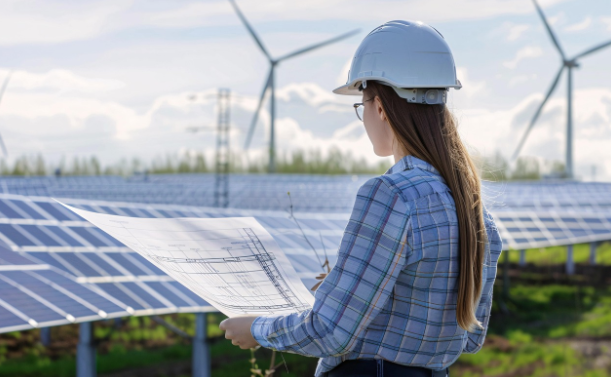
As sustainable building practices and stringent efficiency standards become more mainstream, operational strategies garner most of the attention, but smart energy decisions often begin with estimation.
With advanced building information modelling (BIM) platforms and integrated, cloud-based take-off and estimation software tools at our disposal, the estimating process has been transformed from a basic addition and multiplication exercise to a high-leverage pivot point for evaluating sustainable options.
Material selection, construction practices, and design options to bolster sustainability must pass through the filter of estimation, or risk being left on the drawing board.
Where Energy Goals Are Won or Lost
The construction cost estimation process represents a critical juncture of the project that tells clients and builders whether their lofty green ambitions are compatible with their available budget and resources. Many sustainable options, including low-carbon concrete manufacturing and smart sensors to monitor and adapt building energy consumption, come with a steep price tag. Other design choices, such as reclaimed materials and automated building practices, save money upfront while helping to meet green project objectives.

The long-term impact of these early decisions on energy costs and carbon footprints must also be factored in, creating a veritable soup of information that cannot be fully evaluated through a conventional estimate. Advanced cost estimation software uses real-time data integration to act as an opportunity filter, rather than a simple cost control tool.
The Rise of Energy-Conscious Estimating
Completing estimates with short and long-term energy consumption and emissions in mind can become a complex undertaking. Estimators operating in today’s sustainable ecosystem understand that lifecycle costing and embodied carbon must be considered carefully, along with the initial price tag. A value engineering approach is needed to weigh each factor and establish sensible goals.
The best digital estimating tools are designed to support this complex form of analysis, with features like scenario planning and emissions costing to help construction professionals evaluate the environmental and financial impact of each decision they make. Advanced construction management software enables informed decisions by generating an “energy ROI” for each material or system, based on projected cost savings through improved efficiency.
Practical Benefits: From Plan to Planet
Examples of smart construction estimation benefits in green construction are plentiful. For example, prefabricated elements often come with a higher upfront price, and can introduce transportation challenges, but they also reduce waste during construction and can be more energy efficient during long-term operation.
In a similar way, solar-ready roofing can increase material and installation costs, but provides an opportunity to make buildings energy independent throughout their lifespan. Digital cost estimation tools make it possible to evaluate these trade-offs logically and systematically.
In addition to the lower long-term operating costs brought by green materials and systems, less tangible, yet equally important, benefits include the increased ability to secure ESG (Environmental, Social, and Governance) financing, pass stricter planning reviews, and secure coveted LEED or BREEAM building certifications.
Smart Cost Estimation: Defining a New Era
Today’s construction cost estimators don’t just tally material and labour quantities and calculate overall costs — they define the boundaries of what is possible. Advanced construction cost estimation software tools could not have arrived at a more opportune time, as the momentum of green building practices grows and architects, clients, and builders are presented with new and exciting ways to improve building efficiency while remaining cost effective. Overall, the benefits of lifecycle-based estimating practices make today’s informed cost estimators sustainability enablers.