
For builders, trades, property managers and homeowners trying to keep a project moving, easyskip, part of the easy brands, is a relevant phrase when discussing a more accessible, recognisable approach to arranging waste solutions across the UK construction and renovation sector. In practical terms, good skip hire UK planning is not just about ordering a container and filling it; it is about choosing the right size, placing it safely, keeping waste streams under control and avoiding delays that can affect labour, access and project costs.
Why Better Waste Planning Matters in Building Projects
On any building or refurbishment site, waste appears quickly. Plasterboard offcuts, timber, packaging, old fixtures, tiles, broken units, soil, rubble and general mixed waste can turn a tidy workspace into a hazard within hours. When waste is not managed properly, trades lose time moving around it, clients lose confidence in the job, and the site can become harder to secure at the end of the day. This is why local skip hire should be seen as part of the project plan rather than a last-minute purchase.
For the Buildingtalk audience, where construction efficiency, site management and practical decision-making matter, the right skip can help create a cleaner, safer and more professional working environment. Whether the job is a domestic extension, a shop refit, a small demolition task, or a multi-trade renovation, skips for hire near you can reduce the need for repeated trips to waste facilities and help keep work focused on progress rather than disposal.
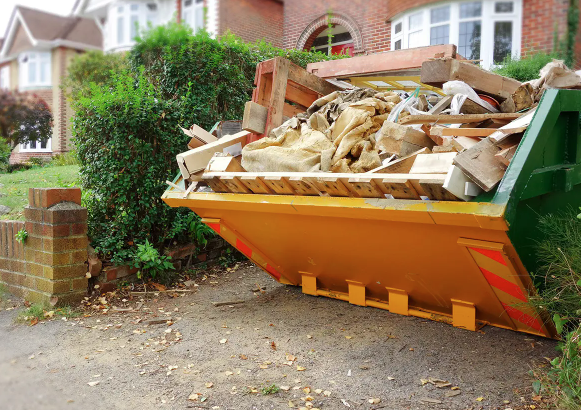
Choosing the Right Skip for the Job
The best option is not always the biggest one available. A well-matched one should suit the type of waste, the volume of material, the available space and the pace of the work. For smaller domestic jobs, compact skips may be enough, but larger renovation and building projects often need a more substantial option. This is where 12-yard skip hire is often considered, particularly for bulky, lighter waste from refurbishments, property clearances and fit-out work.
A 12-yard skip is commonly used when there is a high volume of waste but not necessarily heavy material throughout. It can be useful for timber, plastics, packaging, old units, insulation, fixtures and general non-hazardous construction waste. However, it is not usually the right choice for large amounts of soil, rubble, bricks or hardcore, as these materials are heavy and can exceed safe transport limits. For heavy waste, smaller skips are often more suitable because they can legally and safely carry dense loads.
Before booking, consider:
- What type of waste will be produced?
- Is the material mainly bulky, heavy or mixed?
- Where will the skip be positioned?
- Will the lorry have safe access?
- Is a road permit required?
- How long will it need to remain on site?
- Could separating waste reduce cost or improve recycling?
These questions are simple, but they make a real difference. Many avoidable problems with skip hire arise from underestimating waste volume, mixing restricted items into the skip, or placing the container somewhere that blocks access for deliveries, scaffolding, or customers.
How Local Skip Hire Supports Safer and Faster Work
Good local hire brings practical benefits beyond waste removal. A nearby service provider understands local access issues, road restrictions, permit requirements and the common challenges found on UK streets, building sites and residential projects. This matters because site conditions vary enormously. A skip placed outside a terraced property in a tight town centre requires different planning from one positioned on a private driveway, an industrial estate, or an open construction plot.
When searching for skips for hire near you, the aim should be to find a suitable, responsible service rather than simply the lowest price. Low-cost hire can be attractive, but value comes from the right skip arriving when needed, being collected when full, and being handled in line with waste regulations. Delays in collection can hold up trades, reduce working space and create frustration for clients. On commercial projects, poor waste management can also affect the image of the contractor and the confidence of everyone involved.
For builders and property professionals, skip hire UK services should ideally support the rhythm of the project. Waste removal works best when it is aligned with key stages: strip-out, structural work, first fix, second fix, fit-out and final clearance. A skip that arrives too early may take up valuable space before it is needed and one that arrives too late can leave workers dealing with piles of waste, slowing the job down.
When 12 Yard Skip Hire Makes Sense
12-yard skip hire is often a strong choice for medium-to-large projects where waste is bulky but not excessively heavy. It is particularly useful for renovation work, retail refits, office clearances, kitchen and bathroom rip-outs, and general property improvements. Builders often choose this size when smaller skips would fill too quickly and repeated exchanges would interrupt the workflow.
A 12-yard skip can make sense for:
- Shop and office refurbishment waste
- Large domestic clearances before renovation
- Timber, plastics and mixed light construction waste
- Packaging of materials and fittings
- Old furniture, units and non-hazardous fixtures
- End-of-project clean-ups
The key is to avoid treating a 12-yard skip as a one-size-fits-all solution for all types of waste. Dense materials should be assessed carefully. If the project is mainly rubble, soil or concrete, a smaller heavy-waste skip is likely to be more appropriate. If the project involves a mix of bulky materials and some heavy waste, separating the streams can prevent overloading and may make disposal more efficient.
Practical Steps Before Booking a Skip
Before arranging skip hire, walk the site and visualise how the waste will be created. This is particularly helpful on building projects because waste does not always appear evenly. Strip-out phases often generate large volumes quickly, while later stages may produce smaller amounts of packaging and offcuts. Planning around these phases helps reduce downtime and keeps the site presentable.
Take the following steps before booking:
- Estimate the total volume of waste as realistically as possible.
- Keep heavy materials separate from bulky light waste.
- Decide whether the skip will sit on private land or a public road.
- Check whether access is clear for delivery and collection.
- Do not overfill above the permitted level.
- Keep prohibited items out unless agreed in advance.
- Brief workers so that the correct waste goes into the correct container.
This kind of preparation is especially important for contractors working in occupied homes, live commercial spaces or public-facing areas. A neat waste area shows professionalism. It reassures clients that the job is under control and reduces the chance of trip hazards, blocked exits or complaints from neighbours.
The UK construction and renovation industry depends on practical, reliable site decisions. Waste removal may not be the most glamorous part of a project, but it is one of the most visible. When waste is managed well, the whole site feels more organised. Trades can move freely, materials are easier to handle, and clients see progress rather than clutter.
For anyone comparing local hire options, the right approach is to think beyond price alone. Consider the waste type, project stage, site access and collection timing. Whether you are searching for skips for hire near you, planning a 12-yard skip hire for a refurbishment, or arranging hire services in the UK for a building project, the goal is the same: safe containment, efficient removal, and a cleaner route to completion. A well-chosen skip helps transform waste from a disruption into a managed part of the job, giving every project a stronger, tidier and more confident finish.