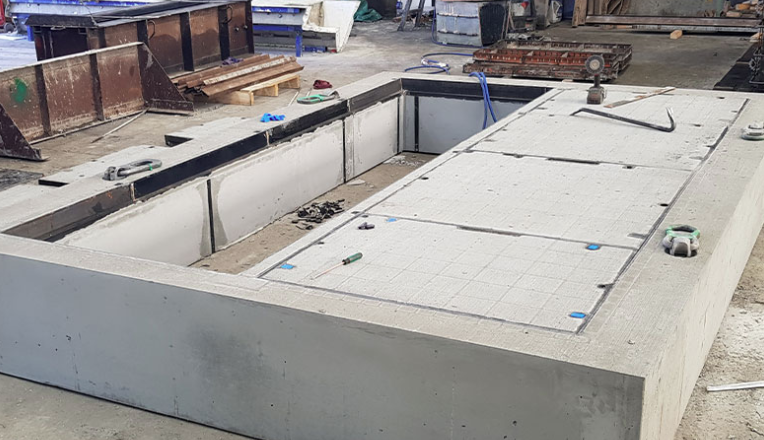
There is a point in most infrastructure projects where cost stops being the only lens. Performance starts to carry more weight, especially in places where heavy traffic and constant use are part of the daily routine. It is in that context that gatic covers tend to come up, usually with the expectation that they will last longer than the rest. That expectation is not based on branding alone. It comes down to how these systems are built and how they behave once installed.
Precision Engineering and the Non-Rocking Fit
If you have ever heard a manhole cover rattle under passing traffic, you have already seen the problem in motion. Movement between the lid and the frame might seem minor at first, but it compounds with time. Small shifts lead to wear, then noise, then structural damage to the surrounding surface. A well-engineered cover avoids this entirely by sitting firmly in place, with no room for that back-and-forth movement.
The difference comes from machining rather than guesswork. When the contact points are cut with precision, the cover locks into position and stays there, even under repeated stress from vehicles. That stability does more than reduce sound. It limits the micro-movements that wear down both the cover and the structure around it. And that translates into fewer repairs and a longer working life for the installation as a whole.
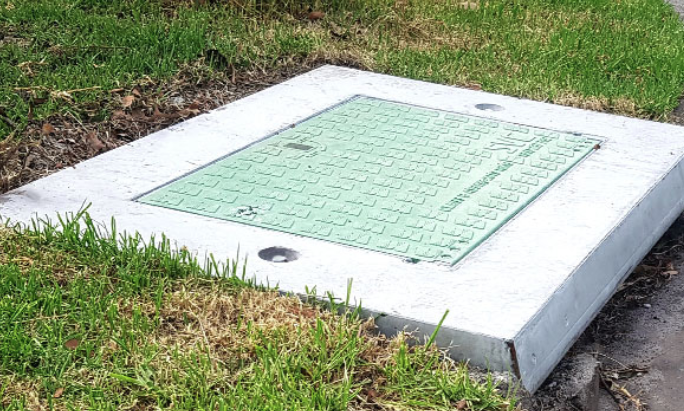
Material Choice Determines Overall Performance of the Cover
There is a tendency to equate strength with bulk, but that approach rarely holds up under scrutiny. What really determines performance is the material itself. High-strength ductile iron has become the standard here for good reason. It offers a balance of toughness and flexibility that older materials simply cannot match.
Under heavy loads, especially those that involve dynamic forces like braking or acceleration, that flexibility allows the material to absorb stress rather than crack under it. The result is a component that can handle repeated pressure without showing early signs of fatigue. It also allows for more efficient design, where the cover is built to suit specific load requirements rather than being overbuilt as a precaution.
Keeping Water And Debris Where They Belong
Durability is only part of the story. What happens beneath the surface carries just as much weight. Poorly sealed covers allow water, dirt, and debris to work their way into underground systems. Over time, that intrusion leads to corrosion, blockages, and a gradual decline in performance that is often difficult to trace back to its source.
A properly designed cover forms a tight seal once in place. The same precision that keeps it stable also prevents unwanted entry from above. This is particularly important in environments where sensitive infrastructure sits below ground level. Keeping those systems dry and clean extends their lifespan and reduces the need for ongoing intervention.
Design Flexibility That Supports Future Work
Infrastructure rarely stays fixed for long. Services expand, upgrades become necessary, and access points need to accommodate those changes. A rigid system can turn routine maintenance into a disruptive process, affecting more than just the immediate area.
Modular designs offer a more practical alternative. By allowing sections to be removed individually, they make it easier to carry out targeted work without dismantling the entire installation. This greatly reduces downtime and helps preserve the integrity of the surrounding structure. It also means that when updates are required, they can be handled with minimal impact on existing systems.
Final Thoughts
Longevity in infrastructure comes from a combination of precise engineering, considered material selection, and a design that accounts for real-world conditions. The advantages seen in gatic covers are the result of those factors working together rather than any single feature standing alone. When each element supports the next, the outcome is a system that holds its ground over time, even in demanding environments.