Safety boots typically need replacing every six to twelve months under regular industrial use. However, the exact timing depends far more on visible wear and working conditions than on a fixed calendar date. Many workers keep wearing boots long after their protective properties have quietly declined, simply because they still look wearable from the outside. Workwear suppliers such as JRS Industrial Supplies encourage customers to judge replacement by condition rather than assumption, since the two do not always align.
Why Sole Wear Is the First Sign to Watch
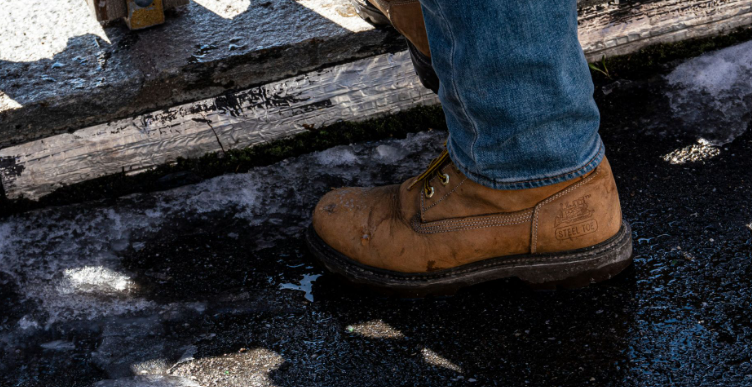
The tread pattern on a safety boot sole provides grip that reduces slips on wet or uneven surfaces, and this pattern gradually flattens with regular walking on hard industrial floors. Once tread depth drops noticeably, slip resistance declines well before the boot looks obviously worn from the top. Checking the sole specifically, rather than judging overall boot condition from appearance alone, catches this decline considerably earlier. Many workers are surprised to discover how much grip they’ve already lost when they compare an older boot directly with a new pair.
How Working Conditions Affect Replacement Frequency
Boots used on rough outdoor terrain, in wet conditions, or around chemicals typically wear out considerably faster than boots used mainly on clean, dry indoor flooring. A worker walking long distances across a large industrial site each day places far more cumulative stress on footwear than someone standing largely in one position. Considering the specific conditions a role actually involves, rather than applying a single blanket replacement schedule across an entire workforce, produces a more accurate sense of when each pair genuinely needs replacing. This role-specific approach avoids both premature replacement and, more importantly, delayed replacement in demanding roles.
Checking the Steel or Composite Toe Cap for Damage
A toe cap that has taken a significant impact can develop hairline cracks or deformation that aren’t always visible without removing the boot’s outer material for a close inspection. Replace any boot that has experienced a serious impact, regardless of how it looks externally, since the protective structure may already be compromised even without visible external damage. Composite toe caps, in particular, can be affected by this kind of hidden damage, since they do not always show the same visible denting as a steel cap would after impact. Treating any significant impact as an automatic trigger for replacement, rather than waiting for visible signs of failure, is the safest approach.
Recognising When Waterproofing Has Failed
Safety boots rated for wet conditions rely on waterproof membranes and treated leather that gradually lose effectiveness through repeated wetting, drying, and general wear. Feet becoming damp inside boots that were previously reliably waterproof is a clear sign this protection has failed, even if the exterior leather still looks in reasonable condition. Continuing to wear boots in this state increases the risk of fungal infections and general discomfort, alongside reducing overall foot protection in wet environments. Testing waterproofing periodically, rather than assuming it lasts indefinitely, helps catch this failure before it becomes a genuine comfort or health issue.
Setting a Sensible Inspection Routine
A brief monthly check covering sole tread, toe cap condition, upper material integrity, and waterproofing performance catches most replacement triggers well before a boot fails during use. Involving workers directly in this check, rather than relying solely on periodic management inspections, tends to catch problems earlier since workers notice subtle changes in comfort or grip before visible damage appears. Keeping simple records of when each pair was issued also helps identify boots approaching the upper end of their expected working life. This routine approach removes much of the guesswork involved in deciding when replacement is genuinely due.
Replacing Safety Boots Based on Genuine Need
Understanding sole wear, working-condition differences, toe-cap damage, waterproofing failure, and a sensible inspection routine helps a business judge safety boot replacement by genuine condition rather than a fixed, potentially inaccurate schedule. Workwear suppliers typically support customers in setting up exactly this kind of condition-based approach alongside supplying quality safety footwear. Replacing boots at the right time, instead of it being too early or too late, keeps protection genuinely reliable throughout their working life, and it is a habit that is well worth building into every site safety routine.