You have no doubt been hearing about air source heat pumps everywhere lately! Your neighbour has one, your cousin won’t stop banging on about hers, and there’s probably an advert on the telly every other night. So, if you’re wondering what all the fuss is about, you’ve come to the right place. No hard sell, just the facts about these clever little machines and the benefits they can bring to your home…
What Actually Is An Air Source Heat Pump?
Let’s start with the basics. An air source heat pump, often shortened to ASHP, is a heating system that takes warmth from the air outside your home and uses it to heat your radiators, underfloor heating and hot water. Now, you might be thinking, “Hang on, there’s hardly any warmth in the air on a drizzly January morning!” But here’s the brilliant bit, even when it feels bitterly cold to us, there’s still plenty of heat energy in the outdoor air. A heat pump can keep working in temperatures as low as minus fifteen or even minus twenty degrees.
How Does It Work?
Think of it as a fridge that works in reverse, a fridge pulls heat from inside and releases heat into the kitchen. A heat pump on the other hand pulls heat from air and releases heat into the home. Simply put, a fan draws air over a coil that holds a liquid called refrigerant and refrigerant is so good at absorbing heat that refrigerant warms up turning into gas even when air is cold. Gas passes through a compressor, which squeezes gas and makes it hotter, then heat is transferred to the heating and hot water system, the refrigerant cools, turns back into liquid and it then all begins again and repeats in a continuous and efficient loop.
Why Are People So Excited About Them?
There are plenty of reasons to be cheerful about heat pumps. They’re brilliantly efficient; for every unit of electricity a heat pump uses, it can produce roughly three or four units of heat and that is a serious difference (a traditional gas boiler can never beat one unit of heat for every unit of fuel burned), this also makes them kind to the planet – because heat pumps run on electricity and our national grid is getting greener all the time, they produce far lower carbon emissions than gas or oil boilers. As more wind and solar power comes online, your heat pump just gets cleaner and cleaner without you lifting a finger.
A heat pump can also be cheaper to run, depending on your current system, you could see lower heating bills, particularly if you’re replacing oil, LPG or electric heating. Pair one with a smart tariff or solar panels and the savings can be even better, combine that with their low maintenance (an annual check is usually all it needs), the fact that there’s no flame, no flue and no risk of carbon monoxide from the unit itself and it’s pretty much perfect.
What About The Cost?
Let’s be honest, this is the question on everyone’s lips. Installing a heat pump isn’t pocket change. Typical costs in the UK often fall somewhere between eight and fifteen thousand pounds, depending on your home, the size of the system and what work is needed. The good news is that help is available. The government’s Sustainable Energy Programme (NISEP) provides annual funding delivered by energy suppliers and organisations. Some individual schemes may fund air source heat pumps especially for low-income or off-gas-grid homes, so it’s well worth checking the latest details on the official government websites before you make any decisions.
Will My Home Be Suitable?
Heat pumps work best when your home is well insulated and able to hold onto heat, so there is no better place to start the process than making sure you are well insulated. Simple improvements like loft insulation, cavity wall insulation and double glazing make a real difference. The better your home retains warmth the less your heat pump has to work which in turn can help keep your energy bills down.
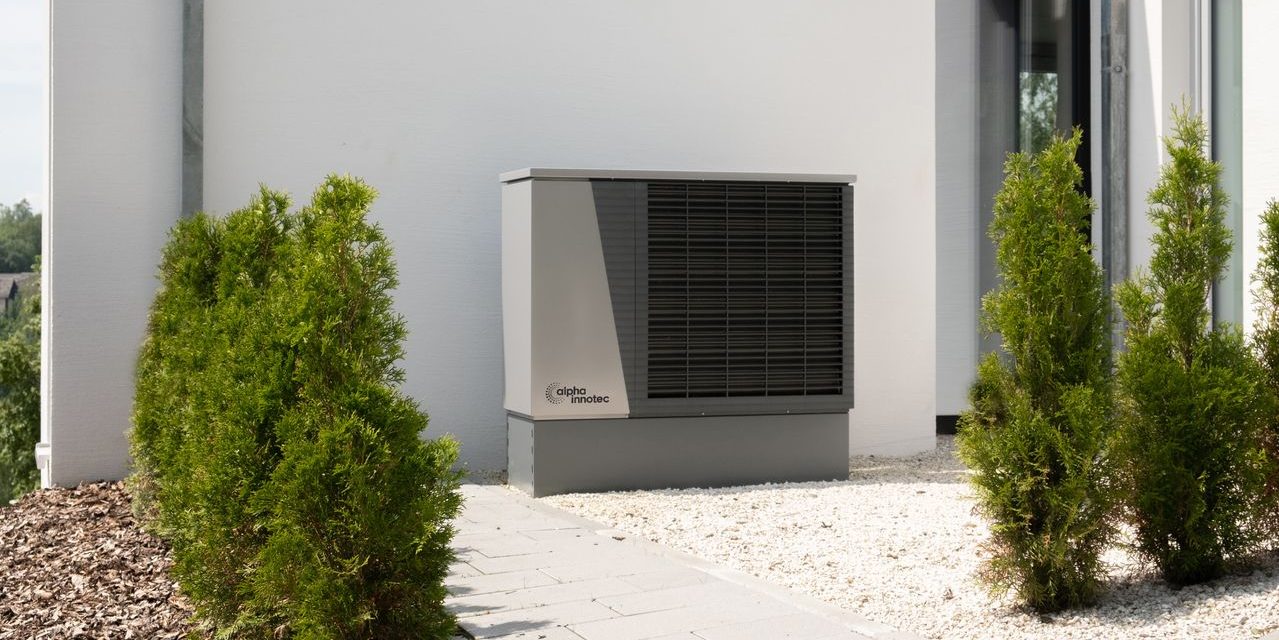
When it comes to the actual installation you’ll need a little outdoor space for the external unit roughly the size of a large suitcase lying on its side or a small air conditioning unit. It just needs enough room around it for air to circulate properly and don’t be worried about noise, modern heat pumps are surprisingly quiet, producing a similar level of noise to a fridge freezer. However, where the unit is positioned is important particularly if you have neighbours nearby or windows close to the installation area.
Every home is different, though, so the best way to find out what’s possible is to arrange a survey with a professional installer. They’ll be able to look at your property, assess the available space and recommend the best solution for your home.
Living With A Heat Pump
Heat pumps operate in a similar manner to a fridge. Your fridge takes heat from inside and releases it into your kitchen, which is why the back of your fridge feels warm. A heat pump instead of removing heat, takes warmth from the air outside and brings it into your home. It all starts with a fan that draws in air from outside and passes it over a coil containing a special liquid called refrigerant.
This liquid is great at absorbing heat, even when the outside temperature is quite cold. As it absorbs the heat, it warms up and turns into a gas. Next, the gas moves into a compressor, which squeezes it and increases its temperature. This creates enough heat to warm the water in your heating system, which is then used to supply your radiators and hot water. Once the heat has been transferred, the refrigerant cools down and turns back into a liquid, ready to start the process all over again.
Air source heat pumps are not just a trend, they are a practical, proven and increasingly affordable way to heat our homes. Yes, there is a bit of homework involved but the rewards are real; comfortable rooms, cleaner energy and a heating system fit for the future. So if you have been curious, ask a few questions and see what is possible for your home.