
Student accommodation, HMOs and managed rental housing each present a different version of the same problem. Occupant profiles differ, usage intensity differs, and the compliance requirements attached to the furniture inside differ. When the sleep environment is poorly specified, the cost shows up in complaint volumes, unplanned maintenance, and shorter tenancies. When it is specified correctly, those costs are easier to control.
Durability, fire compliance, and space efficiency are driving procurement decisions in ways that weren’t standard practice five years ago. Occupant expectations have shifted upward. Regulatory expectations have tightened around safety, traceability and long-term performance. Procurement decisions that don’t account for both tend to generate problems inside the first replacement cycle.
Fire Safety Requirements for Bedroom Furnishings in Multi-Occupancy Buildings
Fire safety compliance is where every multi-occupancy bedroom specification starts. The Furniture and Furnishings Fire Safety Regulations 1988, updated in 2025, set out the standards for all upholstered furniture supplied in rental and student accommodation. That update removed certain display labelling requirements from finished products. Administrative burden reduced. Flammability performance standards stayed exactly where they were.
A 12-month extended enforcement window came with the amendment, giving suppliers and property managers time to clear existing stock before full compliance applies. Match and cigarette resistance tests under the original 1988 framework still apply across all commercial-use mattresses, sofa beds, and upholstered bed frames.
Traceability has become a major compliance focus for procurement teams handling bulk orders. Documentation must run from manufacturer to installation point without gaps. Upholstered headboards and platform bases attract particular scrutiny. Incomplete records don’t just create administrative problems. They create liability exposure that volume purchasing arrangements don’t protect against.
Space Planning and Furniture Selection for Small Bedrooms
UK multi-occupancy single bedrooms typically run between 7 and 10 square metres. The bed frame takes the largest share of that area. Wrong size selection wastes floor space that can’t be recovered without structural intervention, which makes it the most consequential single decision in any bedroom specification brief.
A standard UK single at 90 x 190 cm is the baseline for single-occupancy student or rental rooms. Where rooms run a little larger, a small double at 120 x 190 cm improves occupant comfort without significantly cutting usable floor area. Room measurements and occupant profile should be confirmed before that decision is made.
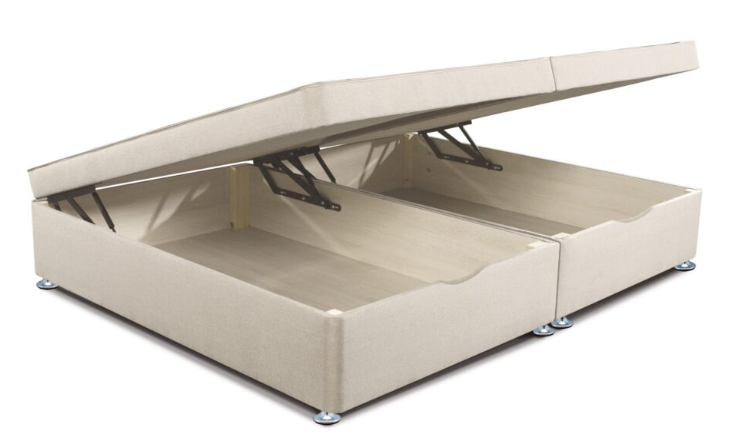
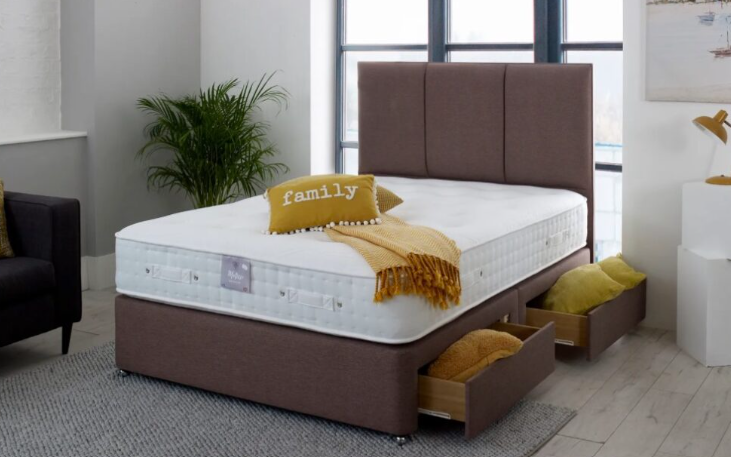
Beds with drawer systems or hydraulic lift platforms handle storage within the same floor footprint as a standard frame. Wall-mounted desks and fold-down tables let rooms serve as sleeping and study spaces simultaneously. In student accommodation where both functions need to fit into a compact room, that flexibility matters considerably more than it does in a straightforward rental property.
For multi-occupancy projects, Bed Store gives procurement teams a clearer route to bed frames suited to high-turnover environments rather than standard domestic use. Consumer-grade frames carry different structural and finish specifications from commercial products. The gap in replacement frequency across a portfolio of units makes that distinction worth resolving at the point of procurement rather than discovering it during a changeover.
Storage Integration in Compact Bedroom Designs
Storage specification affects how usable a small bedroom actually feels to the occupant, which feeds directly into satisfaction and retention rates. Under-bed frames with drawer or hydraulic lift systems provide meaningful capacity without adding to the floor footprint. Both configurations work. The choice between them depends on access requirements and how the room will be serviced during changeovers.
Fitted storage uses ceiling height more efficiently than freestanding alternatives and produces a cleaner finish. Standard 2.4-metre ceiling heights allow vertical storage to add usable capacity that floor-level furniture simply cannot deliver. New build and refurbishment projects that specify fitted furniture from the outset gain space planning advantages across a full block of units that loose furniture procurement can’t replicate at any price point.
Acoustic and Thermal Comfort Considerations
Noise between bedrooms can become one of the most persistent complaint drivers in multi-occupancy buildings. Part E of the Building Regulations requires minimum airborne sound insulation of at least 45 decibels for walls and floors separating dwellings. That covers the structural envelope. Furniture placement within individual rooms affects acoustic performance at unit level, and that sits outside what building regulations address.
Beds positioned against internal walls rather than party walls reduce direct noise transfer from adjacent occupancies. Dense furniture items placed against party walls provide an additional buffer without structural intervention, provided ventilation routes and fire escape requirements aren’t compromised.
Thermal comfort depends on how heating output, ventilation, and window specification interact. Bedrooms that run outside the comfortable temperature range generate maintenance requests and shorter tenancies. Both can often be reduced through specification decisions made before occupation rather than managed reactively through a complaints system.
Blackout and Light Control Solutions
Light control requirements vary by occupant type and room orientation. Shift workers and students with irregular schedules are particularly sensitive to light penetration, and inadequate window treatments in those rooms generate complaint volumes that cost more to manage reactively than the window treatment specification would have cost to address upfront.
East-facing rooms need full blackout lining to block early morning light. West-facing rooms need the same for afternoon and evening sun. Standardising on a single blackout specification across all rooms in a development simplifies procurement and installation without over-specifying for any individual orientation. Bulk purchasing standardised blackout curtains or roller blinds across a full development consistently produces better unit economics than per-room procurement at changeover.
Durability and Maintenance Planning for High-Turnover Properties
Mattresses in rental and student accommodation cycle through heavier use than domestic products are designed for. Scheduled condition assessment is necessary rather than reactive. Visible sagging, measurable support loss, and hygiene failures are the primary replacement triggers. In smaller refurbishment projects, a search for bed shop often starts as a practical local query. Local access matters when delivery timing, product testing and replacement support need to be coordinated quickly across a site.
Procurement teams comparing mattress stores near me for commercial stock should look for documented commercial product ranges, not only consumer-focused inventory built for lighter domestic use.
Particleboard bed frames don’t survive repeated assembly and disassembly across tenant changeovers. Progressive structural failure is the outcome, usually before the expected replacement timeline. Solid timber or metal construction is the specification baseline for commercial settings. Metal frames with welded joints and powder-coated finishes hold up against both structural loading and the surface wear that comes from frequent handling during changeovers.
Total cost of ownership over the expected asset lifespan consistently favours higher-specification products. A frame that costs twice as much but lasts three times as long supports asset life extension and reduces portfolio costs materially. Development teams and facilities managers working with bed stores near me that carry commercial-grade stock and volume pricing can simplify both initial procurement and the replacement cycle across multiple units.
Functional, compliant sleeping environments in multi-occupancy buildings depend on decisions made before occupation, not after complaints begin. Bed frame construction, mattress grade, storage integration, acoustic treatment, light control and thermal management all shape how a finished unit performs. Getting those details right at specification stage reduces maintenance pressure, supports occupant satisfaction and extends the asset life of the furnishings across each tenancy cycle.