This article from Chase Manning, Principal at Dowdle Construction Group, looks at how flexible construction is reshaping the future of retail spaces…
The retail world is always changing to match how people live, work and play, and right now, it’s changing faster than ever. Customers don’t just go to stores to shop. They go for experiences like pop-up shops, brand events, live shows and community meetups. Because of this, retail spaces must be more than just places of business. They need to be adaptable to trends, generational interests and evolving consumer expectations. Contractors who build retail, hospitality and mixed-use spaces often see first hand how tenant needs evolve over time, which provides insight into how buildings can be constructed to remain adaptable. This is changing how retail projects are planned and built.
Experience is Driving Demand
A key reason for this change is the growth of online shopping. Shopping online has made convenience a normal expectation, so physical retail spaces have to offer an experience that online shopping can’t. Many brands are now using brick-and-mortar stores as experiential extensions of their brand identity. They can also test new markets with short-term pop-up shops instead of committing to long-term leases. Because of this, developers are placing greater importance on retail spaces that can accommodate flexibility over time.
Flexibility Built In
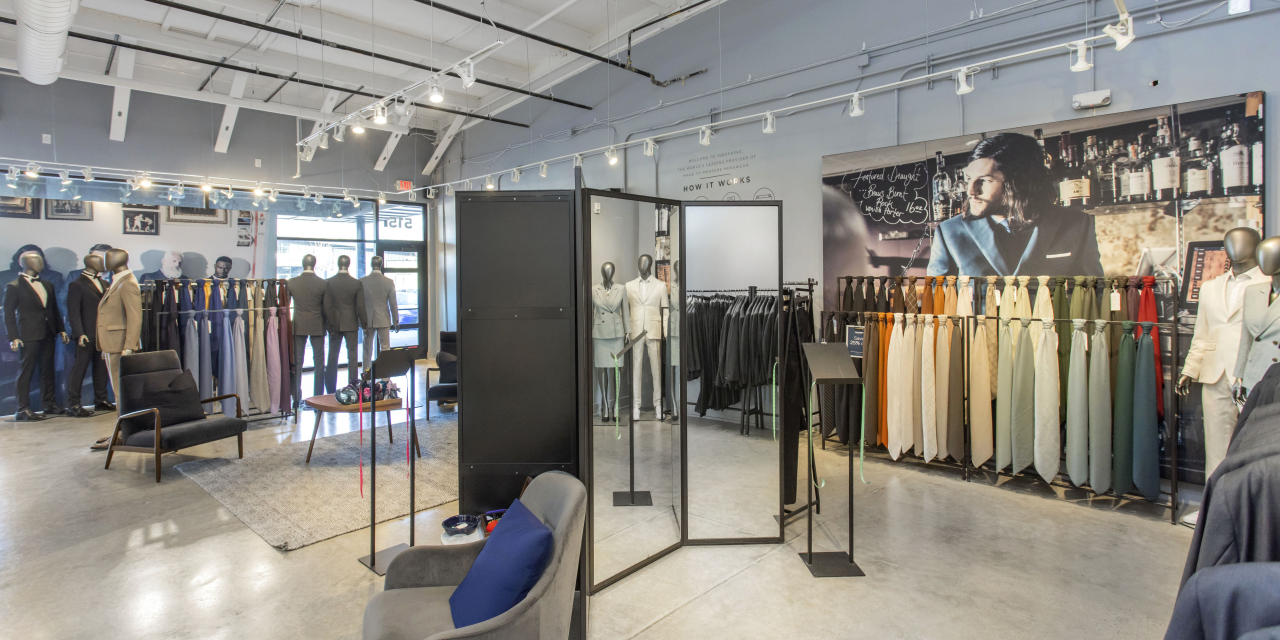
These changes directly influence how retail spaces are constructed. It’s important to think about flexibility from the very beginning of the planning and building phase, rather than an afterthought. For example, open floor plans make it easy to change spaces for different businesses or events.
As a contractor, coordinating building systems with the design team such as electrical, lighting and audio-visual elements, allows spaces to handle anything from traditional retail displays to live shows or temporary pop-ups.
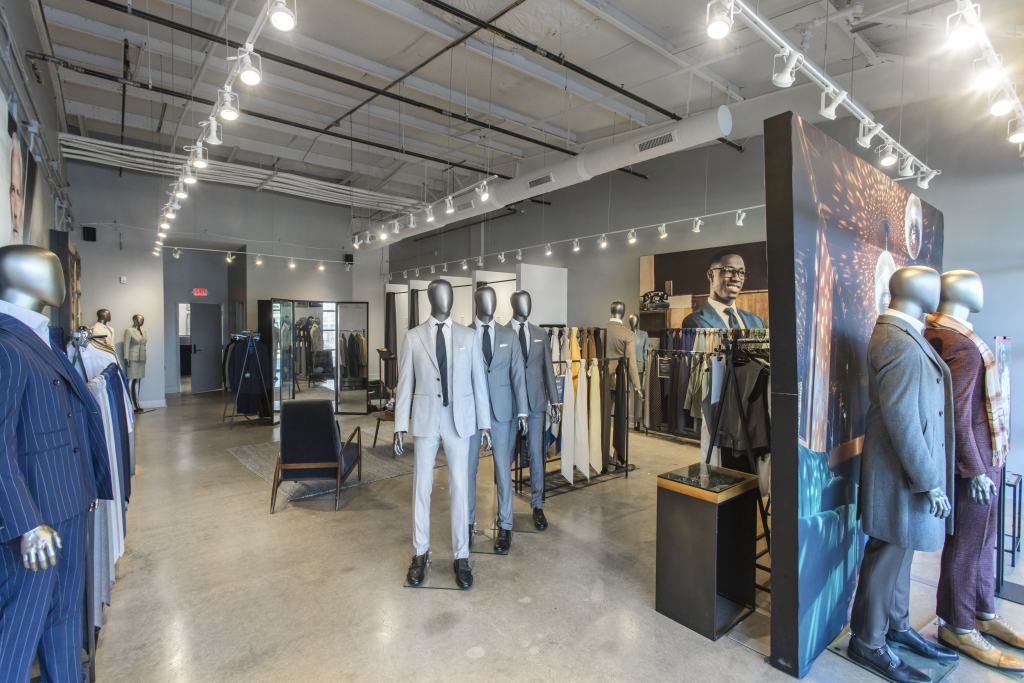
For example, providing additional electrical capacity or flexible lighting infrastructure during construction can make it easier for future tenants to modify displays, host events or incorporate new technology without significant renovations. Additionally, using durable materials and construction methods can help spaces last through business changes and cut back on remodelling needs, which is appealing to business owners.
Owners and designers should also consider the long-term operational use of a space, not just the storefront. Easy-to-access loading zones, adjustable lights and pre-installed tech setups with universal inputs can make events seamless.
Storage areas, open floor layouts and adaptable building systems allow retail spaces to accommodate changing displays, different tenants and even special events. Planning for these things early on prevents expensive changes later and keeps the space adaptable for renters and the community, which keeps the property valuable.
Futureproofing as a Developer
Developers view adaptability as critical for long-term value. Retail spaces that can be used in different ways are easier to rent and can adapt quickly to trends and market changes. Instead of planning for just one business, developers are thinking of spaces that can easily switch between different tenants or evolving retail concepts.
Futureproofing helps developers protect their investment for the long haul. This is important in mixed-use projects, where shops are a key part of making the residential and office areas active. This helps ensure the property stays relevant and competitive, even as market demands change. By planning for change from the start, developers make assets that grow with consumer needs.
Retail as a Community Anchor
Retail stores are also becoming more community focused. Now, the most successful retail spaces serve as places for gathering, hosting events and collaborating. Construction is a big part of making this happen. Thoughtful features like connecting indoor and outdoor areas, shared spaces and event-ready infrastructure can turn stores into destinations, rather than one-stop shops. These design elements help make lively places that bring people in and make them want to come back, benefiting both the storefronts and the community.

Retail isn’t disappearing; it’s changing. The retail projects that do well are the ones made to change, able to adapt to new businesses, new uses and new expectations. When developers, designers and contractors collaborate early in the process, retail environments can be constructed to support that flexibility while maintaining long-term value. As customer expectations keep changing, being able to adapt will be one of the most important factors in ensuring retail spaces are successful in the long run.