Moving heavy materials between different levels of a manufacturing facility or warehouse is a frequent operational bottleneck. When a facility expands vertically – typically by adding a mezzanine or utilising a multi-story layout – the logistics of moving goods becomes a primary concern for plant managers and health and safety teams. Traditional solutions like forklifts or passenger-freight elevators represent two opposite ends of a very wide spectrum. Often, neither is the ideal fit for modern operational footprints.
Making the right choice requires a clear understanding of your facility’s physical constraints, the frequency of your material flow, and the specific safety requirements of your workforce.
Assessing Operational Flow and Mezzanine Bottlenecks
Forklifts are highly versatile, but they are not always the most efficient tools for dedicated vertical transport. Using a forklift to constantly feed a mezzanine floor ties up a valuable asset that could be used for loading docks or order picking. It also requires keeping a wide, clear path on the lower level, reducing usable floor space.
When the frequency of vertical moves exceeds a few cycles per hour, relying on mobile material handling equipment starts to drain productivity. A stationary lifting system establishes a predictable, repeatable path for inventory. It streamlines the workflow: workers on the ground level load the platform, dispatch it, and workers on the upper level receive it without needing to coordinate with a certified forklift operator. This spatial optimisation frees up floor space and keeps your mobile machinery where it belongs – moving goods horizontally over longer distances.
Addressing Ergonomics and HSE Compliance
For health and safety managers, manual handling is a constant source of risk. Musculoskeletal disorders (MSDs) account for a significant portion of lost working days in industrial environments. Expecting workers to carry components up stairs, or even to manually load pallets onto awkward mezzanine gates, introduces unnecessary physical strain and slip hazards.
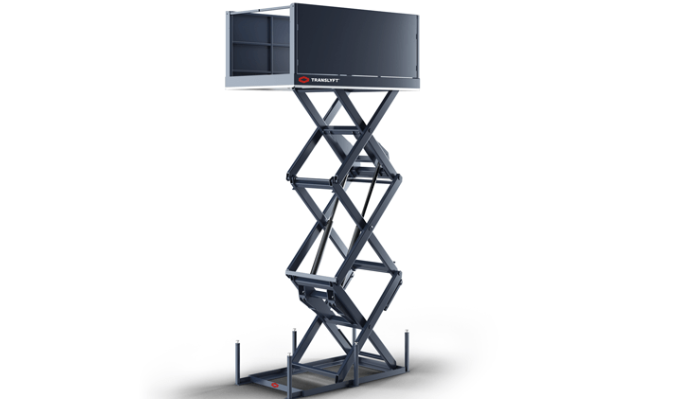
Implementing a dedicated platform goods lift mitigates these risks by removing manual lifting from the equation entirely, keeping personnel focused on processing rather than heavy transport. Because these systems are designed to align flush with the floor or operate with low-profile ramps, workers can easily roll hand pallet trucks or roll cages directly onto the platform.
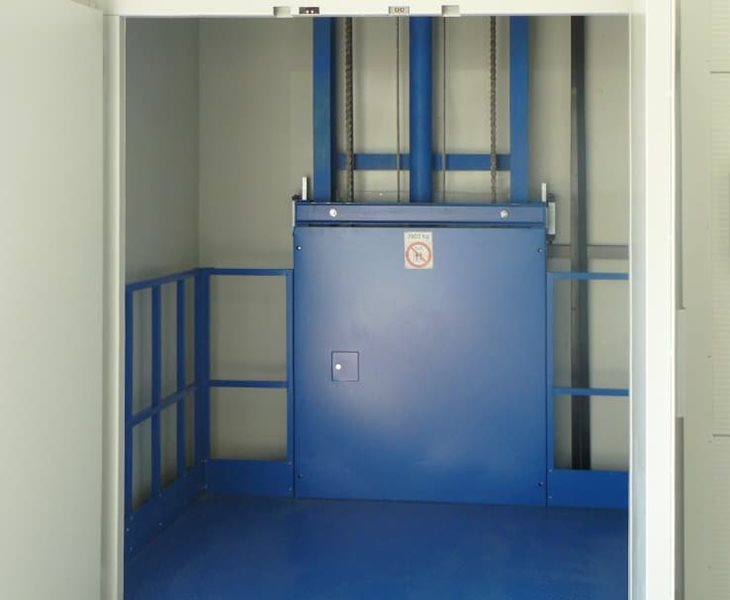
Furthermore, under standard European machinery directives, these lifts are engineered with robust safety systems. Interlocking gates prevent the lift from moving unless the gates are fully closed, and they prevent the gates from being opened unless the platform is safely docked at that specific level. This mechanical assurance drastically reduces the potential for falls from height—one of the most severe categories of workplace accidents.

Architectural Constraints and Pit Requirements
A common hurdle when retrofitting material handling equipment into an existing building is the structural limitation of the floor. Traditional passenger-rated freight elevators require a deep concrete pit to house the mechanical equipment under the floor level, along with a massive overhead machine room. In many leased facilities or older structures, cutting into the foundation to pour a deep pit is structurally impossible or financially impractical.
Platform-style goods lifts offer a much lighter footprint. Many models require a pit of only 100 mm to 150 mm, and some can be mounted directly on the existing floor plate using a shallow ramp for access. They are often self-supporting systems, meaning they do not transfer heavy loads to the existing building walls; instead, the vertical guide rails and mast assembly support the force. This design flexibility drastically reduces the civil engineering work required before installation, accelerating project timelines and minimising operational downtime during setup.
Technical Specifications: Choosing the Right Drive System
When evaluating these lifts, the choice of drive system is critical. It dictates the lift’s speed, weight capacity, maintenance requirements, and overall lifespan.
- Hydraulic Systems: Ideal for heavy-duty lifting over shorter vertical travels (typically up to two or three stories). They use hydraulic cylinders to push the platform vertically up. These systems are incredibly robust, highly reliable, and relatively simple to maintain, making them the standard choice for moving heavy pallets or industrial machinery.
- Chain/Screw Drive Systems: These are more common when the lift needs to travel higher distances or when precise levelling accuracy is required across multiple intermediate floors. They tend to have a slightly smaller footprint but can involve more complex mechanical components.
To determine the right fit, calculate your maximum single load weight, including the weight of the pallet truck or transport cart. Most platform lifts handle capacities ranging from 500kg to over 3,000kg. Standardising your pallet configurations beforehand ensures you select a platform size that comfortably accommodates your largest loads without leaving excess, unutilised space that could tempt operators to overload the system.
Balancing Capital Expenditure and Long-Term Value
A traditional passenger-freight lift is a major capital investment, both in initial purchase price and ongoing maintenance. Because they are designed to carry passengers, they must adhere to incredibly strict elevator regulations, requiring frequent third-party inspections, specialised maintenance contracts, and expensive safety testing.

Goods-only or operator-accompanied platform lifts operate under different regulatory standards (such as the Machinery Directive rather than standard Lift Regulations). This distinction translates to significantly lower upfront costs and simpler maintenance schedules. The components are designed for industrial durability rather than passenger comfort, meaning they are built to withstand the bumps and scrapes of busy warehouse environments without requiring delicate, high-maintenance electronics. For businesses focusing strictly on moving product rather than personnel, this offers a much faster return on investment while fully resolving the logistical bottleneck.