As the age profile of the UK workforce continues to rise, employers and commercial property owners are being urged to consider whether their workplaces are equipped to support employees at every stage of their careers. According to bathroom accessibility specialist Fitzroy of London, conversations around retaining experienced workers often focus on recruitment, wellbeing and flexible working arrangements, while the physical workplace itself is frequently overlooked.
With more people choosing, or needing, to work later in life, workplace environments must evolve to accommodate a broader range of mobility, strength and accessibility requirements. While these changes may not always be visible, they can have a significant impact on how employees navigate and use workplace facilities on a daily basis.
Craig Anderson, Managing Director of Fitzroy of London, comments:
“Many organisations are actively looking at ways to retain experienced employees, but the conversation should also include the built environment.
“Workplaces need to be designed with long-term accessibility in mind, ensuring people can continue to work comfortably, confidently and independently as their needs change over time.”
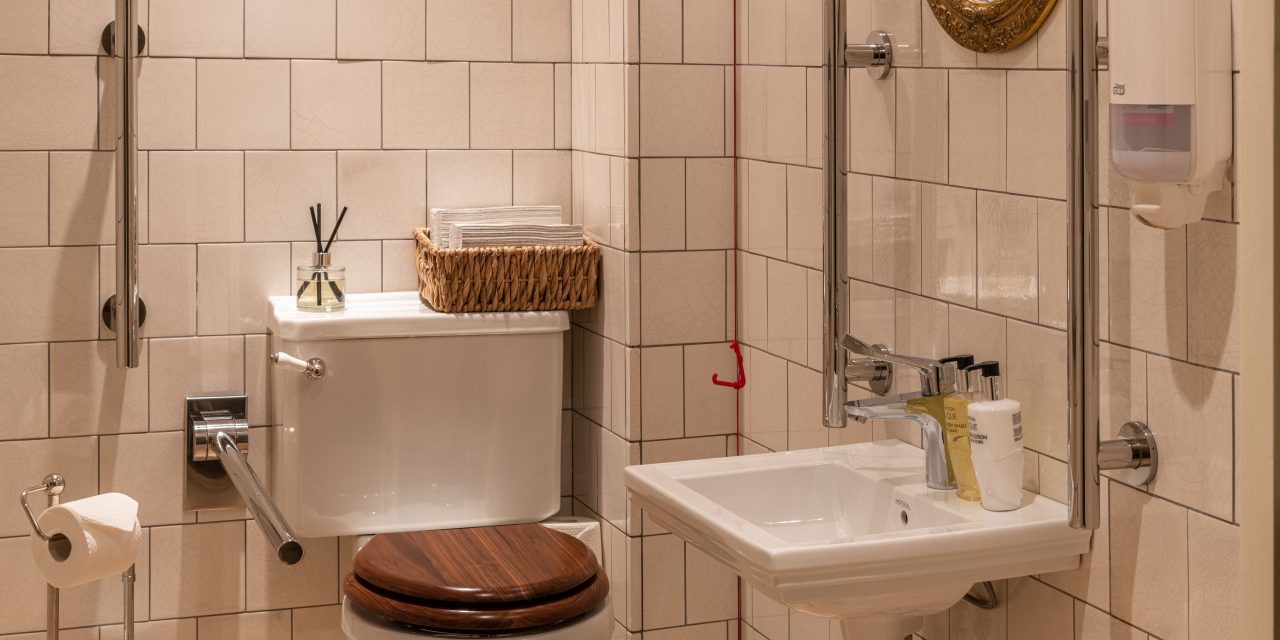
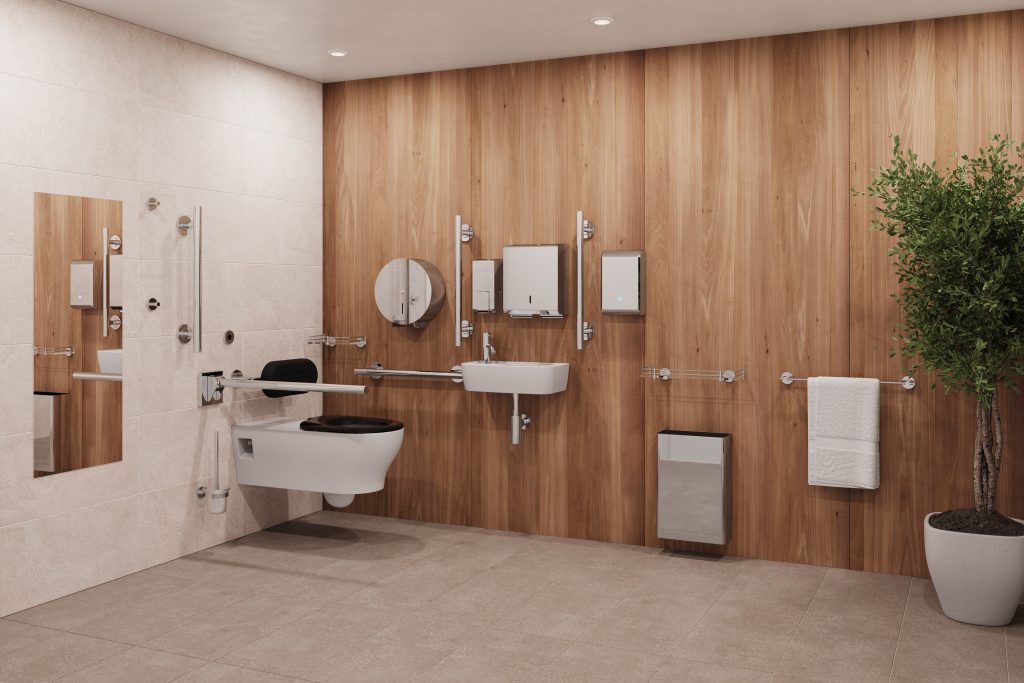
Fitzroy of London believes one of the most overlooked areas is the workplace washroom. Despite being one of the most frequently used spaces in any commercial building, washroom accessibility is often only considered when compliance requirements arise or refurbishment projects are already underway.

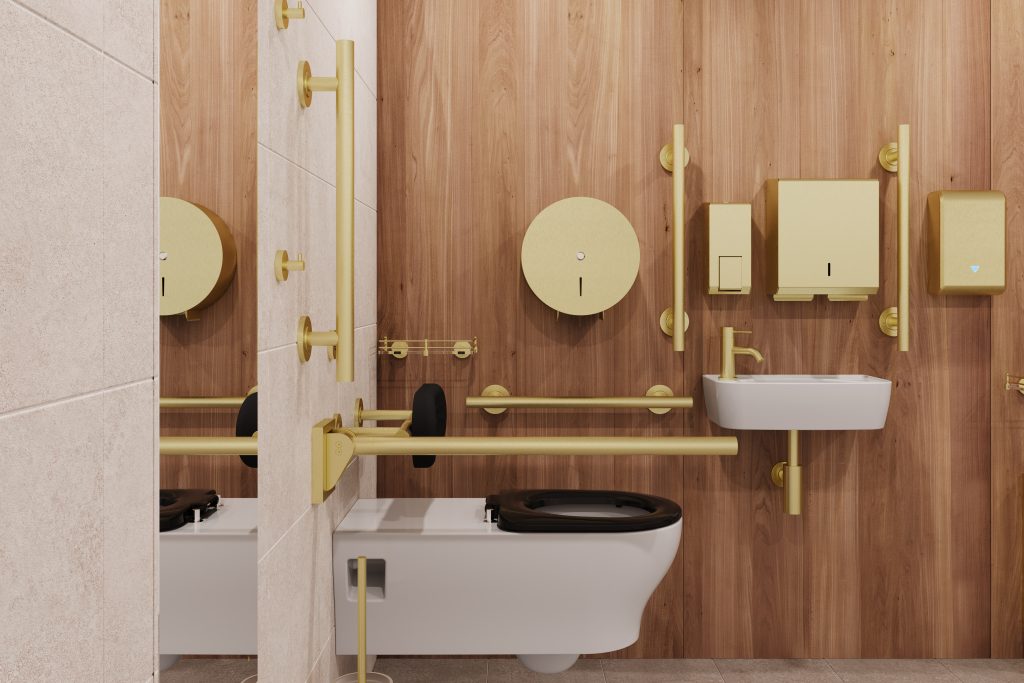
“Features such as well-positioned support rails, accessible layouts, improved circulation space and easy-to-use fixtures can make a meaningful difference for users, while also helping businesses create more inclusive environments for employees, visitors and customers alike,” adds Craig.
Fitzroy of London is encouraging developers, designers, clients and commercial property owners to view accessibility as a long-term investment rather than a reactive measure. Incorporating inclusive design principles during the specification or refurbishment stage can help future-proof buildings, reduce the need for costly alterations later and support wider organisational goals around employee wellbeing, talent retention and inclusivity.
“As the workforce continues to evolve, accessibility should be seen as a core element of workplace design rather than an afterthought,” says Craig.
“Creating environments that work for people of all ages and abilities is not only beneficial for building users but also makes sound commercial sense.”
For businesses looking to create workplaces that are fit for the future, accessibility is becoming an increasingly important consideration in long-term planning, workplace design and building management strategies.