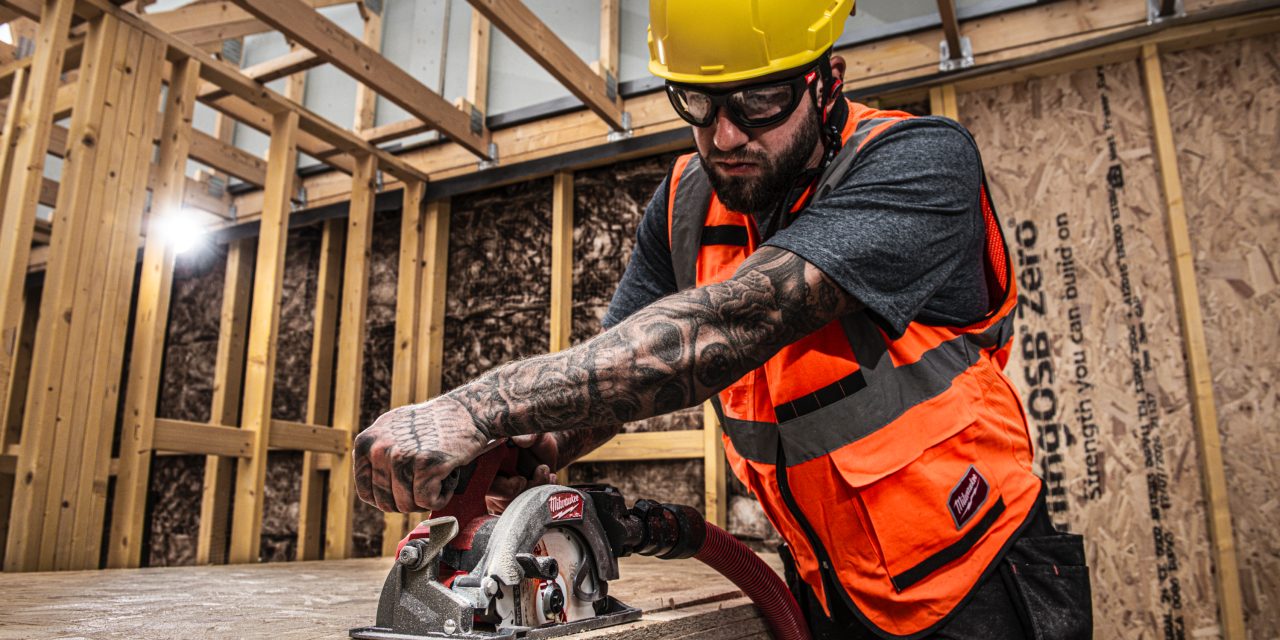
The UK construction industry is facing a dual challenge: a persistent productivity gap and an acute shortage of skilled workers – the words of Paul Strong, Head of Marketing, MILWAUKEE® Tool, who has penned the following guest article…
For installation businesses, these aren’t separate issues. These difficulties are deeply entwined and addressing one without tackling the other simply won’t work.
For a decade now, UK construction productivity has stalled; a problem compounded by the tools used on site. Research shows1 that more than eight out of ten of workers lose up to two hours weekly due to equipment faults2, creating significant downtime that impacts project timelines and profitability3. With nine out of ten of workers wanting higher-quality tools4, it’s clear that poorly equipped teams are a major operational disruptor. This reality also affects recruitment, as the perception of construction as a physically punishing career can deter new talent. To change that narrative, we must welcome the contributions of new technology.
Making the trade accessible
Sophisticated new equipment is unlocking potential in ways that benefit both experienced professionals and fresh entrants. Modern, battery-powered tools are designed to be intuitive and safer, which means new starters can become productive on site much faster than with traditional equipment.
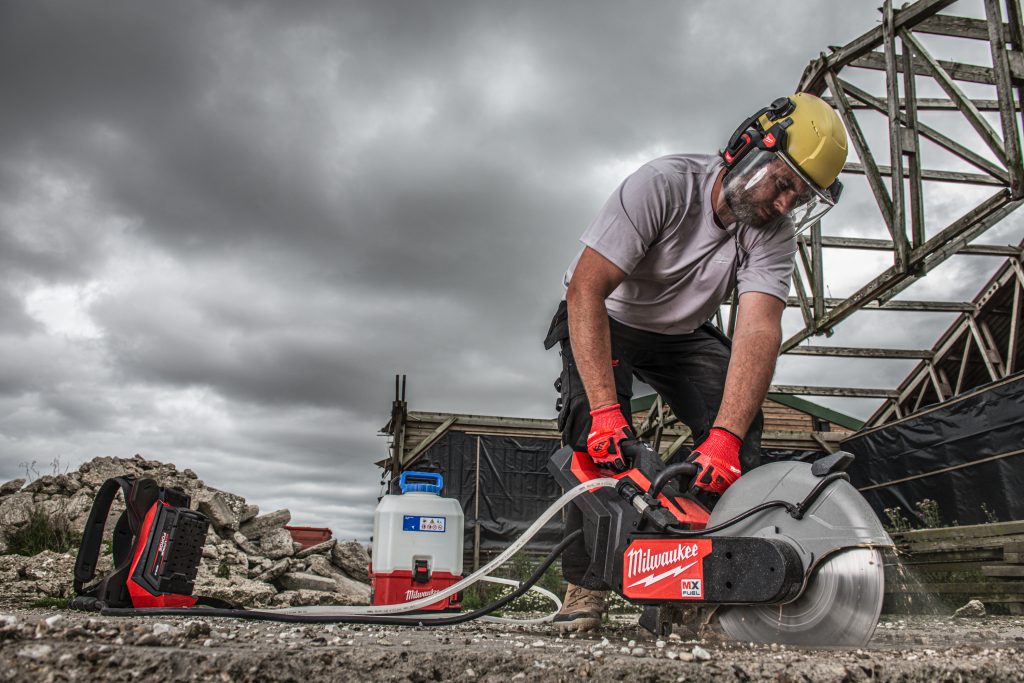
Take battery-powered shear cutters as an example. They eliminate the need for hot work permits, which immediately removes a layer of administrative overhead whilst reducing fire risk on site. For installation businesses, this translates to saved time, reduced insurance concerns and fewer compliance headaches. For new workers, it means one less complex procedure to master before they can contribute effectively.
This matters because when we lower the barrier to entry without compromising on quality or safety, we make the trade more accessible. Younger workers are more likely to choose construction when they see an industry investing in modern, ergonomic equipment rather than expecting them to battle with outdated tools that cause unnecessary physical strain.
Better tools, improved safety
The advantages of this approach create a positive cycle. Better tools lead to improved safety outcomes through enhanced design features, while also fostering faster onboarding processes that build confidence and competence. This in turn leads to increased output from teams who are not fighting their equipment, and better staff retention as workers feel valued and properly equipped to do their jobs well.
Investing in premium tools is the foundation of a modern, efficient installation business, directly contributing to faster project completion, higher quality work and a workforce that is more resilient to the demands of the job.
Building a forward-thinking sector
We also need to recognise that experienced workers benefit from these advances. Battery-powered equipment reduces the physical toll of repetitive tasks, helping skilled professionals maintain their productivity and wellbeing through longer careers. That knowledge retention is invaluable to any business.
Construction has always adapted to change; from power tools replacing hand tools to cordless systems replacing corded equipment. The current shift towards advanced battery technology and ergonomic equipment represents the next step in that evolution.
For installation businesses facing pressure from both productivity demands and recruitment challenges, the question is how quickly this investment can be made to work for them. Technology alone won’t solve the skills shortage, but combined with proper training and a commitment to creating safer, more efficient working environments, it forms a crucial part of the solution.
The businesses that recognise this and act on it will find themselves better positioned to deliver projects on time, attract the talent they need and build a workforce that’s genuinely equipped for the future.
Sources
All four reference points come from MILWAUKEE® Research – ‘Powering-Up Productivity’ whitepaper