A building business often needs more space before it needs larger premises in the conventional sense. Tools accumulate, materials need somewhere secure between jobs, and paperwork takes up space at home or in the van alongside equipment. There are three common routes when that happens: an industrial unit set up for trade use, container storage, or self-storage. Each suits a different stage and way of working, and many building firms end up using more than one. What matters is how the space will be used during a normal working week.
Trade and Builders’ Storage Units: A Working Base
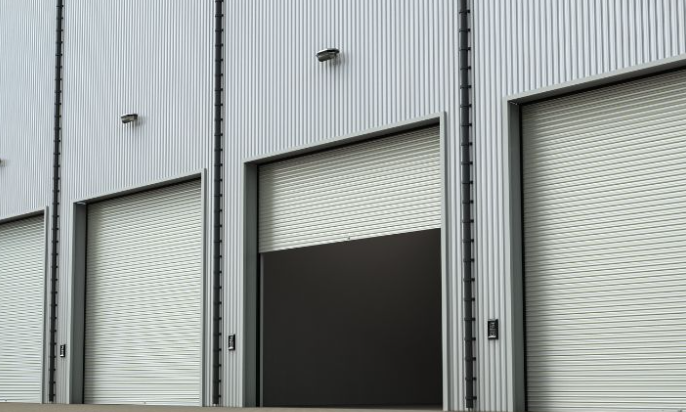
For a building firm that needs somewhere to store materials, park plant, load vans and handle paperwork, a dedicated industrial unit is usually the most complete option. Trade and builders’ storage units from providers such as BizSpace are designed around this kind of use, with roller shutter access, yard space for loading, hard-wearing floors and room for palletised materials or smaller plant such as mixers. Regional landlords offer similar space too.
Network Space manages multi-let industrial estates across the North of England, while Workspace lets light industrial units in London with roller shutters and integrated offices.
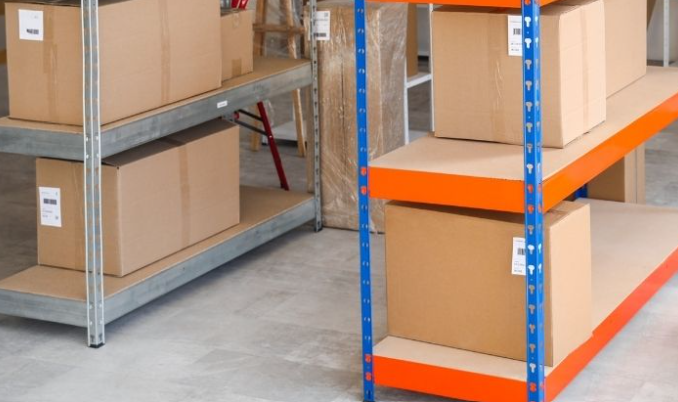
Because the unit is a workspace rather than storage alone, a corner can often be set aside for a desk to handle quotes, invoices and scheduling. A business can then run collections, deliveries and administration from one base instead of moving between home, the van and a separate store.
Individual units vary in specification. Roller shutter access, yard space, parking, how much weight the floor can safely support and the available electrical supply should all be checked against the work carried out by the business.
Where the intended equipment requires three-phase power, a type of electrical supply used by some equipment with higher power requirements, its availability should be confirmed for the particular premises rather than assumed from the property type.
Container Storage: Drive-Up Space for Tools and Materials
Not every building business needs a full unit. Container storage, typically 20ft or 40ft steel shipping containers in a secure compound, gives a contractor drive-up space for tools, equipment and materials without the cost of an industrial unit.
Vans can usually park beside the container, which makes loading heavier or awkward items easier than carrying them through a building. The wide double doors suit ladders, scaffold fittings and bulky materials. Containers are also commonly let on short or monthly terms, so they work well alongside other premises.
This is where container storage often earns its place for builders. A firm with an industrial unit may add a container during a busy period to hold materials for a large contract, then give it up when work slows.
A business that runs its administration from an office might use a container as its only storage, keeping tools and materials close to the van rather than the desk. Some business centre operators offer container storage on the same sites as their industrial units and offices, which makes this kind of combination easier to arrange.
The trade-off is that a container is storage, not a workspace. Access hours may be set by the site, and preparation work or regular administration will still need to happen elsewhere.
Self-Storage: Where It Fits and Where It Does Not
Self-storage is mainly used for personal and household belongings, and its business use tends to centre on stock, archives and smaller equipment. Units are usually inside a building, so items may need to be moved from a loading bay through corridors or a goods lift.
For a building business, that creates limits. Many self-storage operators restrict what can be kept in a unit, including fuels, gas cylinders, chemicals and some building materials, and they do not usually allow work to be carried out inside. Businesses should check site rules covering deliveries and time spent inside the unit before relying on it for regular collections.
Self-storage can still help in narrower cases, such as a sole trader who needs somewhere dry for paperwork, small boxed fittings or spare hand tools. For bulk materials or plant, container storage or a builders’ unit is usually the more practical choice.
Compare Access and Loading Alongside Rent
Rent is easy to compare, but the monthly figure does not show whether the premises support how the business operates. A lower-cost space may create practical problems if staff regularly move equipment between separate locations or if vehicle access does not suit daily loading.
For any of the three options, useful checks include how close vans can get, when the team can enter the site and how larger deliveries are handled. These details matter more when tools and materials move in and out several times a week.
The cost comparison should also cover the total cost of using the premises rather than rent alone. Depending on the property and agreement, this may include utilities, insurance, service charges and business rates. The length and type of agreement also affect how easily the business can change premises if its requirements alter.
Check What Activities the Premises Permit
A storage unit should not be treated as a workshop simply because there is enough room to carry out work inside it. This applies to both containers and self-storage, where operators commonly restrict work, manufacturing or serving customers from the unit.
Planning status also requires attention where industrial activity will take place. In England, the B2 and B8 use classes cover general industrial use and storage and distribution respectively. Builders’ storage units usually fall under B8, while units used for preparation or light fabrication may need a light industrial use (Class E(g)).
The authorised use of an individual property should still be checked because a proposed activity may fall outside the use already permitted for the premises.
Planning systems differ across the UK, so businesses in Wales, Scotland or Northern Ireland should check the rules that apply in their nation rather than relying on guidance for England.
Include Safety Requirements in the Premises Decision
The work carried out inside a unit affects its safety requirements as well as its layout. Premises used mainly for boxed materials present different considerations from premises where employees operate powered equipment, handle heavier materials or carry out preparation work.
In England and Wales, the person responsible for fire safety in non-domestic premises must carry out and regularly review a fire risk assessment.
The assessment should reflect the activities taking place on site, the hazards present and the people who may be at risk. Fuels, gas cylinders and other flammable materials need particular care, and storage operators will often set their own rules on what can be kept on site.
Base the Decision on Current Operating Requirements
A sole trader with a small amount of kit may only need container storage, or occasionally self-storage. A growing firm with staff collecting equipment each morning, regular merchant deliveries and administration to run usually needs a builders’ unit as its base. Many businesses combine the two, adding container storage around a unit or an office when workloads rise.
Before viewing premises, it is useful to record what happens during a normal working week. Note how often vans arrive, who needs access, what work takes place indoors, which equipment requires power and where administrative tasks are completed. Those requirements show whether storage alone is enough, or whether the business needs a working base with storage alongside it.