A home’s external facade says a great deal about a building before anyone steps inside, which is why the choice of finish matters as much as any other design decision. Colour has a huge role to play in how a new home looks and feels.
This guest article sees Jason Nicholson, of K Rend, explore the ways that textured and coloured renders can enhance kerb appeal, add personality, and create visually striking homes…
Render does far more than protect the structure beneath. The right render choice allows homeowners, self-builders, and architects to achieve a stylish, long-lasting façade that makes a statement without compromising on practicality and durability.
Architects and specifiers are increasingly moving away from uniform finishes in favour of incorporating colour and texture to create a stronger sense of identity. Through-coloured renders have become a popular choice, offering a low maintenance finish that eliminates the need for painting and retain its appearance over time.
Colour, texture and context
Colour and texture decisions start with the surrounding environment. The hue, tone and finish should complement the local architecture and landscape, rather than against it, creating something that feels cohesive and sits within the streetscape.
Lighter tones can help to make a building feel more open and airy, while darker shades can add depth and drama. The texture of the render also plays a significant role in defining the overall appearance and character of a property, whether it is the smooth uniformity of a fine finish, to the tactile appeal of a more textured surface.
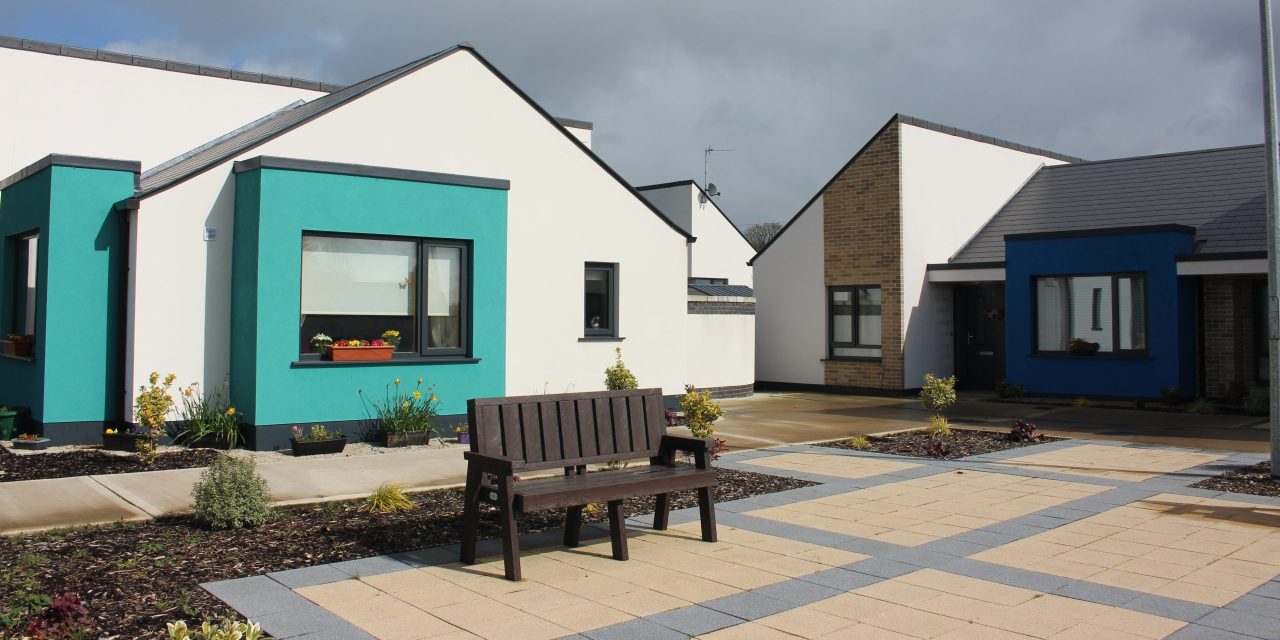
Using multiple colours will build contrast, accentuate architectural features and bring attention to specific details. The exterior of a home can be considered in the same way as the interior, with windows, doors and tiles all considered as part of a coherent whole.
Finding the right finish
Most manufacturers offer a range of standard colours alongside the option to colour match using the NCS colour system for bespoke shades. This gives architects and builders considerable flexibility when it comes to achieving a specific aesthetic.
With a variety of modern render finish options available, from thin coat to scraped texture to roughcast and dash, it’s important to request samples to verify colour and texture choices.
Render in practice
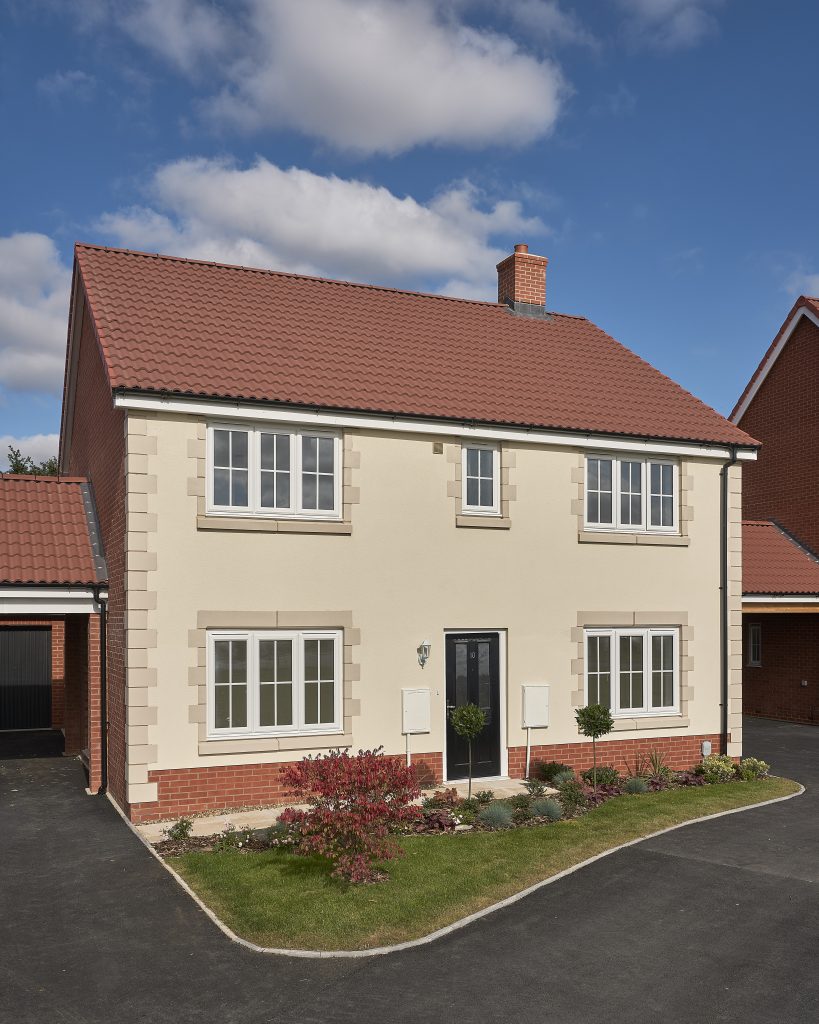
A project in Suffolk demonstrates what a carefully considered colour palette can achieve on a project. A monocouche scraped-texture render in a palette of powder blue, salmon pink and ivory helped to create a pretty and unique aesthetic, avoiding the monotony of a single colour and appealing to home owners while fitting perfectly with the picturesque historic streets of this rural area of Suffolk.
Applied in one coat one pass, the render suited the project’s programme due to its quick setting times and efficient application.
A detached property in Northern Ireland took a different approach, using a bespoke colour created by a silicone thin-coat render. This allowed the builder to achieve a striking shade that complemented the surrounding architecture and landscape.
The ability to colour match and create renders in any shade outside the standard palette can help achieve something genuinely individual
A project in Mullingar, Southern Ireland combined a scraped texture silicone render in white alongside two bespoke colours to create a striking aesthetic and real kerb appeal. The silicone technology used across both products added water repellency to keep the render looking fresher for longer, and the mica in these renders added that signature sparkle.
Facades built to last
Coloured and textured renders offer architects, specifiers and builders the means to create facades that are both visually appealing and built to last. By carefully considering colour, texture and the surrounding context, the exterior façade can be transformed from a standard ‘brick box’ into a distinctive, memorable building that elicits an emotional response.
As clients continue to seek homes that feel individual and considered, the role of coloured renders in shaping the character of new and refurbished homes will become harder to ignore.