Choosing the right size storage container on a construction site all depends on what you’re storing, how much space you have, the practicality and how easily the container can be delivered. This article explains the main options and what to consider before making your decision on what size container is best for a construction site…
Why Shipping Containers Are Used on Construction Sites
Construction sites need somewhere secure and practical to store tools, materials and equipment, and shipping containers are a proven method in providing durable storage solutions that can withstand demanding site conditions.
Their main advantages include:
- Security: Strong steel construction and suitable locking systems help protect valuable tools and equipment
- Weather resistance: Windproof, watertight containers help keep stored materials protected from the elements
- Flexibility: Containers can be relocated as projects progress, subject to suitable lifting and transport arrangements
- Practical storage: Equipment and materials can be kept organised and readily accessible on site
What Shipping Container Sizes Are Available?
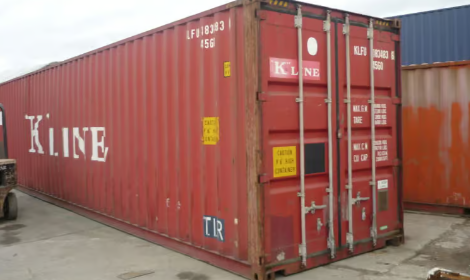
The most common options to consider are 10ft, 20ft and 40ft containers. Each offers different advantages depending on the scale of your project and the available space.
10ft Containers
10ft shipping containers are a highly practical choice for smaller construction sites where space is at a premium. These more compact units can accommodate hand tools, power tools, small equipment and building materials.
They are useful for residential building projects, renovations and smaller sites.
20ft Containers
A 20 ft shipping container provides an ideal balance of space and practicality for construction sites. Offering around 33 cubic metres of storage, it accommodates tools, equipment and materials.
40ft Containers
A 40ft shipping container offers extensive storage for larger construction sites, accommodating bulky equipment, building materials and substantial inventories. While reducing the need for multiple units, its size requires adequate space for delivery, positioning and vehicle access.
What Should You Consider When Choosing a Shipping Container Size?
Just because a container is large doesn’t mean it is the most practical choice, instead you should consider the following factors:
Available Space and Site Access
Measure the installation area, allowing for external dimensions, door clearance and safe access. Narrow entrances, uneven surfaces and restricted vehicle access may affect delivery, positioning and container suitability.
Storage Requirements and Equipment Size
Assess the quantity, weight and dimensions of stored items. Consider internal measurements and door openings, ensuring sufficient space for bulky equipment, materials, organisation and safe retrieval.
Project Duration
Short projects may need basic storage, while longer developments require greater flexibility. Consider potential increases in materials and equipment to determine whether additional container capacity would be beneficial.
Delivery and Positioning
Ensure delivery vehicles can access the site safely. Larger containers may require extra manoeuvring room or specialist lifting. Prepare stable ground and confirm positioning requirements with your supplier before ordering.
Budget
Compare costs based on size, condition, delivery and hiring or purchasing options. Used containers may offer savings when appearance is less important. Choose suitable capacity without paying for unnecessary storage space.
Should You Choose a Standard or High Cube Shipping Container?
Standard and high cube shipping containers offer different internal heights.
A standard container is typically sized 8ft 6in tall externally, while a high cube container measures approximately 9ft 6in, providing around one foot of additional internal height.
This extra clearance can be particularly useful when storing:
- Taller construction equipment or machinery
- Bulky materials requiring vertical space
- Equipment that needs additional loading clearance
However, high cube containers also require greater overhead clearance during delivery and positioning.
Is It Better to Hire or Buy a Shipping Container for Your Construction Site?
Whether to hire or buy depends largely on how long you’ll need the container and whether you intend to use it again.
Hiring a shipping container is typically better suited to shorter projects where storage is only required temporarily. It can also reduce the initial expenditure, although hire charges and collection costs need to be considered.
Buying a shipping container may be more economical for longer projects or contractors who regularly need secure storage. Ownership also provides flexibility to reuse or relocate the container for future work.
Choosing the Right Shipping Container for Your Construction Site
A 20ft shipping container is a practical choice for many construction projects, offering ample storage without taking up excessive space. Smaller sites may benefit from a 10ft unit, whereas larger developments might require a 40ft container. The best option depends on your storage needs, site access, available space and budget.