Mass timber materials are playing an increasing role in UK construction projects because of their lower environmental impact compared to conventional materials, ease of installation and aesthetic advantages. However, there are few considerations when using mass timber, one of which is how to protect these materials from moisture. Dr. Mila Duncheva, Business Development Manager at Stora Enso, has more in this guest article…
As well as more stifling heat, climate change means we will have to get used to wetter weather in the UK. The Met Office reported that rainfall between the months of October and March from 2015 to 2024 was 16% higher than the same period from 1961 to 1990.
Comprehensive planning is needed to protect building materials from that increase in moisture. One such material, mass timber, is increasingly preferred by architects, developers and contractors due to its lower environmental impact compared to conventional materials, ease of installation and aesthetic advantages that make it suitable in a wide range structures from homes to hospitals.
Mass timber parts need to be below 20% moisture content when enclosed with other materials like insulation to prevent mould, and in extreme cases, structural issues such as rot from emerging. To effectively guard against these risks, project stakeholders need a comprehensive moisture management plan; this must factor in protection from the moment building parts leave the factory gates, all the way through transportation and storage, to installation when those parts are enclosed in a building and shielded from the elements.
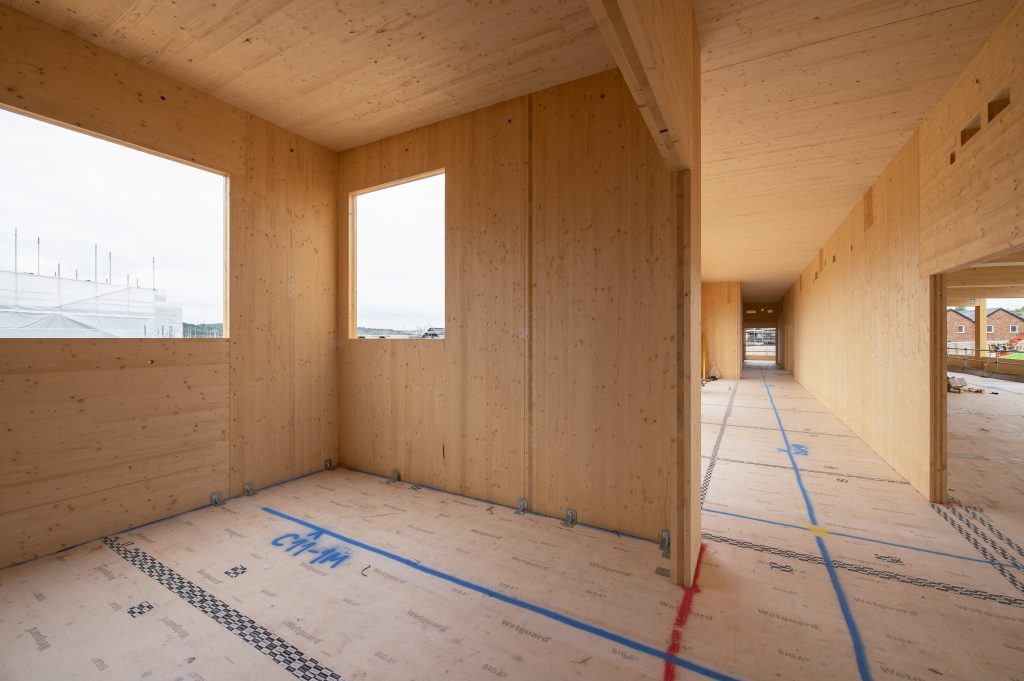
Every moisture management plan is different according to the visual quality of materials used and the application of those materials, but the starting point remains the same. The Alkerden Academy project demonstrated how implementing a meticulous moisture management plan from the outset can reduce risks and protect investments.
A learning opportunity
The Alkerden Academy is one of the largest educational facilities to ever be built in Kent, consisting of a two-storey primary school building and five-storey secondary school building that will provide places for more than 2,200 pupils.
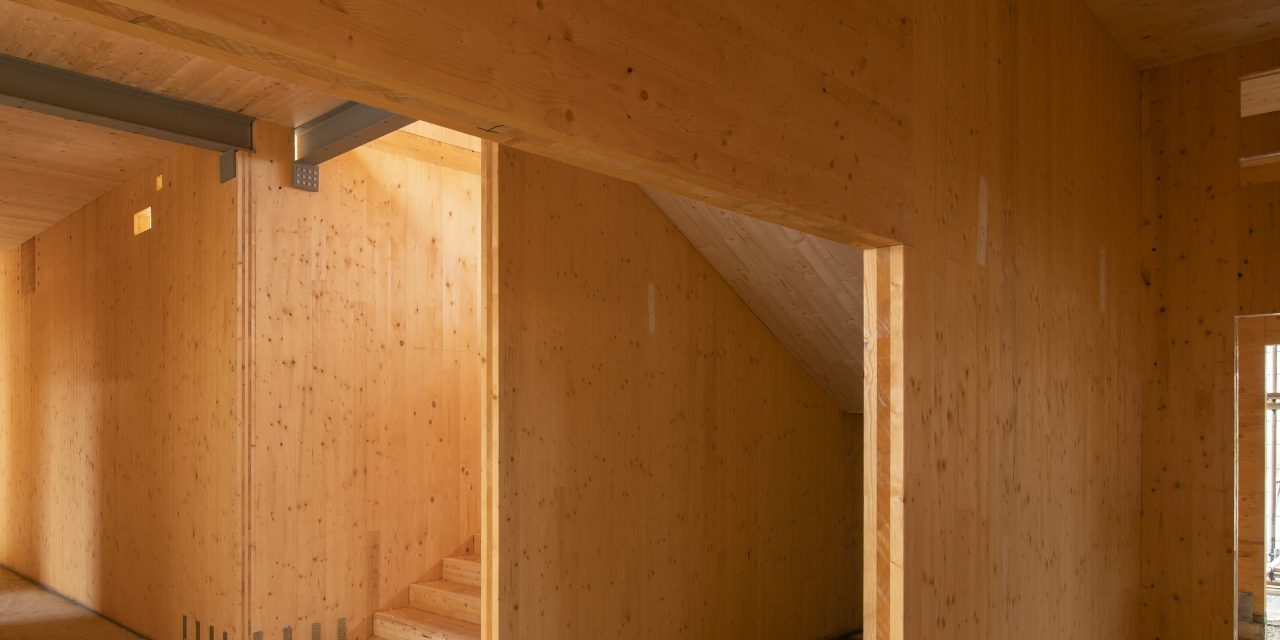
Both schools harness the structural and design benefits of mass timber. The primary school features cross-laminated timber (CLT) floors, CLT walls and exposed glued laminated timber (glulam) beams. The secondary school boasts CLT panels and glulam beams spanning 20 metres, which will form a dramatic roof over the sports hall.
To ensure this impressive project went off without a hitch, the specialist contractor B&K Hybrid Solutions developed a stringent moisture management plan, which was fully implemented at the Alkerden Academy. In practice, that meant moisture levels were carefully monitored from delivery to handover, ensuring consistent quality control throughout. B&K Hybrid Solutions made use of an end grain sealer for the CLT right from the outset, ensuring these parts already had protection before they arrived on site.
And a hydrophobic coating was applied to roof areas during the manufacturing phase, helping to repel water and prevent ingress. On-site, water pooling was prevented by using wet vacs and squeegees. In the rare occasions where water staining did occur, it was promptly identified and treated using a powerful wood cleaner.
I spoke to Craig Robinson, Operations Manager at B&K Hybrid Solutions about the project, who said ‘The design of this major new education hub in Kent aligns with the latest sustainability standards, aiming for a BREEAM Excellent rating and adopting BIM Level 2. In terms of the construction stage, the project has been carried out in a single phase to minimise disruption to the local community.
‘We’ve been able to deliver these sustainability benefits in a seamless way for our customers and the local community because of our moisture management plan that ensured materials were protected from the outset and throughout the course of the project.’
Planning for success
This project harnessed several specific moisture protection solutions, which can vary according to the materials used and their intended applications. The best way to account for all variables and ensure the right decisions are made is to establish a moisture management plan from the outset. This supports decision-making throughout the lifetime of the project and allows specific solutions to be pre-applied at the factory stage, significantly reducing risk to materials, achieving peace of mind for all stakeholders and setting the project up for success come rain or shine.
Image credit: B&K Hybrid Solutions